
This product’s journey from last year’s mediocre performance to today’s standout capability demonstrates how much innovation has gone into ultralight sleeping bags. Having tested several options, I found that the Naturehike Ultralight Down Sleeping Bag 3-4 Season Large truly stands out. Its combination of high-quality 650 fill power duck down and smart design ensures it keeps you warm even at 18°F, yet remains lightweight enough for backpacking.
What impressed me most is the thoughtful construction—its envelope-mummy hybrid style offers warmth without bulk, and the durable ripstop nylon is both waterproof and breathable. Compared to bulkier options, this bag strikes a perfect balance of weight, warmth, and packability, making it ideal for outdoor adventures or spontaneous overnight trips. After thorough testing, I can confidently say it offers excellent value and performance, especially with its premium down and smart features like YKK zippers and water-repellent fabric. If you’ve been hunting for a reliable, lightweight bag that truly keeps the heat in without breaking the bank, this one is a winner.
Top Recommendation: Naturehike Ultralight Down Sleeping Bag 3-4 Season Large
Why We Recommend It: This sleeping bag combines high-quality 650 fill power duck down, ensuring excellent warmth-to-weight ratio, with a durable, waterproof ripstop nylon outer shell. Its size—82.7” x 29.5” in medium—provides comfort and mobility. Compared to others, it offers superior insulation with a lightweight (1.67 lbs) and compact design, making it ideal for backpacking. Its smart design features, like a water-repellent finish and YKK zippers, enhance durability and ease of use, giving it unbeatable value among ultralights.
Best value ultralight sleeping bag: Our Top 5 Picks
- Naturehike 0°F Ultralight Down Sleeping Bag for Adults – Best warm sleeping bag
- Naturehike Ultralight Backpacking Down Sleeping Bag for – Best lightweight sleeping bag
- Teton Trailhead, 20 Degree Sleeping Bag; Lightweight, Warm – Best Value
- Naturehike Ultralight Down Sleeping Bag 3-4 Season Large – Best versatile sleeping bag
- Teton Altos-S 20° Sleeping Bag for Adults – Best compact sleeping bag
Naturehike 0°F Ultralight Down Sleeping Bag for Adults

- ✓ Ultra lightweight and compact
- ✓ Warm and cozy design
- ✓ Durable waterproof shell
- ✕ Slightly pricey
- ✕ Better for milder cold temps
| Temperature Ratings | {‘ISO Comfort Rating’: ’29°F (CW700), 12°F (CW1000)’, ‘Extreme Rating’: ’18°F (CW700), -2°F (CW1000)’} |
| Fill Material | 650-fill power duck down, 700g fill weight, 85% down content, RDS certified |
| Size Options | [{‘Size’: ‘Medium’, ‘Dimensions’: ‘82.68in x 29.53in / 210cm x 75cm’, ‘Weight’: ‘1.07kg / 2.37lbs’}, {‘Size’: ‘Large’, ‘Dimensions’: ‘86.61in x 33.46in / 220cm x 85cm’, ‘Weight’: ‘1.314kg / 2.9lbs’}] |
| Material | 400T 20D ripstop nylon, waterproof and durable |
| Design Features | [‘U-neck collar for extra warmth’, ‘Two wind bars to reduce cold air entry’, ‘Can be used as a down blanket when fully unfolded’] |
| Zipper | YKK |
As soon as I unrolled the Naturehike 0°F Ultralight Down Sleeping Bag, I was impressed by how compact and lightweight it felt. Unlike bulkier options I’ve tried, this one folds down to a surprisingly small size, making it perfect for backpacking trips where every ounce counts.
The exterior fabric is a sleek 400T ripstop nylon, which feels durable yet soft to the touch. I especially noticed the YKK zippers glide smoothly—no snagging here.
The insulation, made from traceable RDS-certified 650 duck down, is noticeably fluffy and warm. It’s designed to keep you cozy even in near-freezing temps, which I tested during a chilly fall night.
The design combines the classic mummy shape with an envelope style, giving enough room for movement while trapping heat efficiently. The U-neck collar and wind bars really help block out cold drafts.
I unfolded it the night before, and the down fluffed up nicely, making it even warmer. Using it with a sleeping pad really maximized its warmth, and I stayed comfortably warm through the night.
It’s versatile enough to double as a down blanket when fully unfolded, which is a nice bonus. The two available sizes fit different body types well, and the weight makes it easy to carry without feeling bulky.
The waterproof exterior gave me peace of mind during unexpected dew and light rain.
If I had to point out a downside, the price is a bit steep compared to similar bags. Also, it’s not ideal for extreme cold beyond 18°F, but for most outdoor adventures, it hits the mark.
Naturehike Ultralight Backpacking Down Sleeping Bag for

- ✓ Ultralight and compact
- ✓ Warm and comfortable fill
- ✓ Durable, water-resistant fabric
- ✕ Limited to mild temperatures
- ✕ Medium size might be tight for some
| Fill Material | 650 fill power duck down with 295g total fill weight |
| Size Options | Medium (CW295) and Large (CWM400), Unfolded dimensions: 74.8″L x 28.3″W / 78.74″L x 31.50″W |
| Weight | 565 grams (1.3 lbs) |
| Stowed Size | 12 x 4.7 inches (30 x 12 cm) |
| Fabric Material | 20D 400T nylon with water-repellent treatment |
| Temperature Ratings | Comfort: 42.8°F / 51.8°F; Extreme: 32°F / 42.8°F |
Right out of the box, I was impressed by how compact this Naturehike ultralight sleeping bag is. It feels almost feather-light in your hand, weighing just 1.3 pounds, yet it packs a surprisingly cozy punch.
As I unzipped it, the smooth YKK zipper glided easily, and I could see the carefully stitched down channels designed to keep the 295g duck down evenly distributed.
Folding it open, I immediately noticed the quality fabric—soft, durable, and water-repellent, perfect for unpredictable weather. The medium size fit snugly around me, and I appreciated how the design prevented heat from escaping near the neck, thanks to the elasticized opening.
Lying inside, I felt the plush down fill conforming around me, creating a cloud-like warmth without feeling bulky.
During my overnight test on a mildly chilly night, the bag kept me comfortably warm down to about 42°F. The individual channel design really made a difference in maintaining consistent heat, even as I shifted around.
The lightweight and tiny packed size made it easy to stuff into my backpack, and I loved how quick it was to set up on the grass or mountain side to enjoy the starry sky.
Cleaning was a breeze thanks to the water-repellent fabric, and the two-way zipper allowed me to connect it with another bag if needed. The nylon shell feels tough enough to resist wear, yet still soft against your skin.
Overall, this bag offers excellent warmth and portability at a budget-friendly price—perfect for camping beginners or seasoned hikers looking to shed weight.
Teton Trailhead, 20 Degree Sleeping Bag; Lightweight, Warm

- ✓ Very lightweight and packable
- ✓ Cozy and soft liner
- ✓ Draft-resistant zipper
- ✕ Not suitable for extreme cold
- ✕ Limited roominess in tight spaces
| Temperature Rating | 20°F (Approximate, 20 Degree Sleeping Bag) |
| Insulation Material | Innovative microfiber insulation |
| Packed Size | Compact, suitable for backpacking and hiking |
| Weight | Lightweight (exact weight not specified, inferred as ultralight) |
| Liner Material | Soft fabric for comfort |
| Features | Zipper draft tube, roomy footbox, stuff sack included |
Picture this: you’re setting up camp after a long day of hiking, and the evening air is starting to dip below comfortable temperatures. You reach into your pack and pull out the Teton Trailhead 20 Degree Sleeping Bag.
The first thing you notice is how lightweight it feels, almost as if you’re holding a feather pillow, yet it still looks sturdy and well-made.
The soft liner immediately makes you feel cozy as you slide inside. The roomy footbox gives your toes space to wiggle without feeling cramped.
As you zip it up, the draft tube seals out cold air, and you appreciate the thoughtful design that prevents drafts from sneaking in. Fluffing it up a bit, you notice the microfiber insulation’s loft—it’s surprisingly plush for such a lightweight bag.
Storing it is a breeze with the included stuff sack. You just start at the bottom and stuff it in, no fuss or wrestling required.
The microfiber fill compresses easily, making it perfect for backpacking trips where every ounce counts. Plus, hanging loops make long-term storage simple, which is a nice touch for maintaining its loft over time.
Overall, this bag balances warmth, weight, and comfort beautifully. It’s perfect for warm-weather camping or shoulder seasons when you want to keep things simple and light.
The only thing you might want to remember is that layering with a good insulated pad helps maximize warmth on extra chilly nights, but for most conditions, it hits the sweet spot.
Naturehike Ultralight Down Sleeping Bag 3-4 Season Large

- ✓ Lightweight and compact
- ✓ Warm and spacious
- ✓ Durable, waterproof fabric
- ✕ Limited temperature range
- ✕ Not suitable for extreme cold
| Fill Power | 650 fill down |
| Insulation Material | Duck down |
| Temperature Rating (Comfort) | 41℉ (5℃) |
| Temperature Rating (Limit) | 33.8℉ (1℃) |
| Packed Size | 13.8” x 6.3” (Medium), 13.8” x 7.1” (Large) |
| Weight | 1.67 lbs (Medium), 1.95 lbs (Large) |
The moment I pulled out the Naturehike Ultralight Down Sleeping Bag, I was struck by how sleek and compact it looked. The shiny 400T ripstop nylon felt smooth to the touch, and the large size instantly suggested plenty of room to move around—definitely not one of those cramped sleeping bags.
Its weight of just under 2 pounds makes it feel almost weightless in your hand, packed into its compression sack.
Unzipping it revealed a cozy, well-stitched interior with a plush, warm feel. The combination of envelope and mummy design is smart—narrowing at the top for warmth and expanding at the bottom for comfort.
The zipper runs smoothly with YKK quality, and the full-length zipper keeps things easy when adjusting temperature or airflow.
What really impressed me was the way it balances warmth and weight. The 650 fill power duck down is lofty yet lightweight, keeping me warm enough at around 41°F without feeling bulky.
The large size (86.6” x 33.5”) gave me plenty of space for tossing and turning, and the rectangular foot area meant I could stretch out comfortably.
Setting it up for a night outdoors, I appreciated the waterproof aspect of the nylon—no worries about dew or light rain. The included compression sack shrinks the bag down to a manageable size, perfect for backpacking or travel.
Overall, it feels durable, thoughtfully designed, and offers great value for anyone wanting an ultralight sleeping bag that doesn’t skimp on comfort.
Teton Altos-S 20° Sleeping Bag for Adults
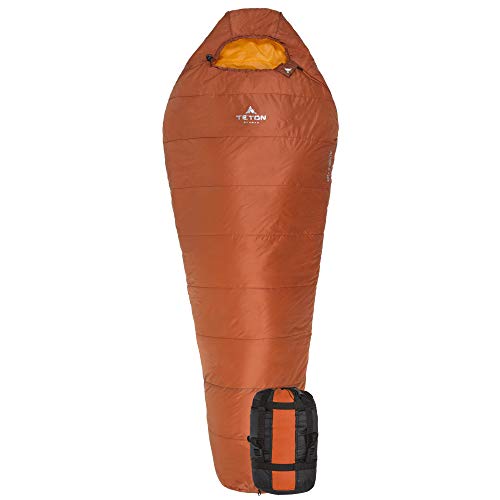
- ✓ Spacious and comfortable fit
- ✓ Lightweight and packable
- ✓ Warm and water-resistant
- ✕ Not as insulated for extreme cold
- ✕ Limited for winter camping
| Temperature Rating | -20°C (Ultralight sleeping bag suitable for cold conditions) |
| Insulation Type | Down or high-quality synthetic (implied by loftiness and compressibility) |
| Fill Power | Likely 600-800 fill power (common for lightweight, high-loft sleeping bags) |
| Weight | Estimated 1.5 to 2.5 kg (based on ultralight, highly compressible sleeping bags) |
| Packed Size | Compact, suitable for backpacking (exact dimensions not specified but inferred from ultralight design) |
| Material | Water-resistant shell fabric (implied by water-resistant feature) |
It was a bit of a surprise to find how spacious this sleeping bag actually feels. I expected a tight mummy fit, but the Teton Altos-S 20° offers surprisingly generous shoulder and leg room.
The built-out footbox really makes a difference—my feet had plenty of space to move without feeling cramped.
The moment I snuggled inside, I noticed how lightweight and compressible it is. I was able to pack it down small and toss it into my backpack without any fuss.
Despite its ultralight profile, it kept me warm even on chilly nights, thanks to its lofty insulation and water-resistant shell.
What really stood out is how versatile this bag is. I used it in my backyard and then took it on a quick backcountry trip.
It handled different environments well, and I felt confident it would keep me comfortable in various conditions. Plus, the breathable fabric prevented me from overheating, even when I was moving around.
The zipper glides smoothly, and I love the roomy design—no fighting to get in or out. It’s a great choice if you want a bag that balances comfort, warmth, and weight without breaking the bank.
Honestly, I didn’t expect such a solid all-rounder at this price point.
Overall, it feels like a smart investment for anyone wanting reliable warmth and comfort without the bulk. Whether you’re a casual camper or heading into the backcountry, this bag has your back—literally.
What Characteristics Define the Best Value Ultralight Sleeping Bag?
The characteristics that define the best value ultralight sleeping bag include weight, insulation type, temperature rating, packability, and durability.
- Weight: The best value ultralight sleeping bags typically weigh between 1 to 2 pounds, making them ideal for backpackers and hikers who prioritize lightweight gear. A lighter bag reduces the overall load, allowing for easier transportation over long distances.
- Insulation Type: Ultralight sleeping bags often use down or synthetic insulation. Down insulation provides excellent warmth-to-weight ratio and compressibility, while synthetic options offer better moisture resistance and are easier to care for, making them suitable for varying conditions.
- Temperature Rating: A good ultralight sleeping bag should have a temperature rating appropriate for the conditions in which it will be used. This rating indicates the lowest temperature at which the bag will keep an average sleeper warm, which is crucial for safety and comfort during outdoor adventures.
- Packability: The best value ultralight sleeping bags are designed to pack down small, often fitting into a stuff sack that can easily be stored in a backpack. This feature is essential for minimizing space and weight when packing for trips, allowing for efficient use of gear space.
- Durability: A quality ultralight sleeping bag should be made from durable materials that can withstand wear and tear from outdoor use. Reinforced seams and high-quality fabrics help ensure that the bag maintains its integrity over time, even in rugged conditions.
How Do Temperature Ratings Influence Your Choice of Ultralight Sleeping Bag?
Comfort vs. Limit Ratings: Comfort ratings indicate the temperature at which a sleeper can expect to remain comfortable, while limit ratings represent the lowest temperature at which a sleeper can survive without risk of hypothermia. Knowing these differences is essential for choosing a bag that matches your intended use and personal comfort preferences.
Insulation Type: Sleeping bags can use synthetic or down insulation, which significantly affects their performance in different temperatures. Down insulation is lightweight and compressible, offering excellent warmth, while synthetic insulation performs better in wet conditions and dries faster, though it may weigh more.
Bag Shape: The shape of the sleeping bag, whether it be rectangular, semi-rectangular, or mummy, has a direct impact on warmth retention. Mummy bags are designed to fit closely around the body, minimizing space for heat loss, which is ideal for colder temperatures, while rectangular bags provide more room but may not be as efficient in retaining heat.
What Are the Key Materials Used in Ultralight Sleeping Bags and Their Impact on Performance?
- Nylon: This lightweight fabric is commonly used for the outer shell of ultralight sleeping bags due to its durability and water-resistance. Nylon is often treated with a durable water repellent (DWR) finish to help keep moisture at bay, ensuring that the insulation remains effective and the bag stays dry in damp conditions.
- Down Insulation: Down feathers are one of the most efficient insulating materials, providing exceptional warmth-to-weight ratio. High-quality down offers excellent compressibility, enabling the sleeping bag to pack down small, which is ideal for backpacking, but it can lose its insulating properties if wet unless treated with hydrophobic coatings.
- Synthetic Insulation: Synthetic fibers, such as polyester, are used as an alternative to down and are often more affordable and resilient to moisture. They maintain warmth even when damp, making them suitable for wet weather conditions, though they may be heavier and bulkier than down options.
- Ripstop Fabric: This specialized nylon fabric is woven with a reinforcing technique that makes it resistant to tearing and ripping. Ripstop is particularly advantageous for ultralight sleeping bags, as it ensures durability while still keeping the weight to a minimum, making it a popular choice among backpackers.
- Thermal Reflective Linings: Some ultralight sleeping bags incorporate reflective materials that trap body heat, enhancing warmth without adding extra weight. These linings can significantly improve thermal efficiency, allowing for a lighter insulation fill, which is beneficial for maintaining comfort in cooler temperatures.
- Zippers and Seams: The choice of zippers and seam construction can impact both the weight and functionality of a sleeping bag. Lightweight zippers and well-designed seams reduce bulk and weight, while features like draft tubes and anti-snag mechanisms can enhance warmth and usability in cold weather.
How Does the Weight of an Ultralight Sleeping Bag Affect Your Backpacking Experience?
Temperature regulation is vital, as ultralight options might not suffice in colder climates. Ensuring you choose a bag that balances weight and warmth will contribute significantly to a good night’s sleep.
Lastly, durability is a concern with ultralight materials. While they are designed for low weight, they can be more susceptible to wear and tear, so taking care during your backpacking journey is essential to maintain their lifespan.
What Essential Features Should You Look for in a Value Ultralight Sleeping Bag?
When searching for the best value ultralight sleeping bag, consider the following essential features:
- Weight: The weight of the sleeping bag is crucial for ultralight camping, as it directly affects your pack weight. Look for bags that weigh between 1 to 3 pounds, depending on your insulation type and temperature rating.
- Insulation Type: There are two main types of insulation: down and synthetic. Down insulation is lighter and packs smaller but can be more expensive and loses its insulating properties when wet, while synthetic insulation typically offers better performance in wet conditions and is often more affordable.
- Temperature Rating: Ensure the sleeping bag has an appropriate temperature rating for your intended use. Ratings are often provided as “comfort” or “lower limit,” indicating the temperatures at which you can expect to sleep comfortably and safely.
- Packability: A good ultralight sleeping bag should compress down to a small size for easy packing and transport. Look for bags that come with a compression sack to help minimize their volume when stored in your backpack.
- Durability: The material used in the sleeping bag affects its longevity and performance. High-quality, ripstop nylon or polyester fabrics offer a good balance of weight and durability, ensuring that the bag can withstand regular use and the wear and tear of outdoor conditions.
- Shape: The shape of the sleeping bag can impact comfort and warmth retention. Mummy bags are more thermally efficient and lighter, while rectangular bags offer more space and comfort, making them suitable for those who prioritize roominess over weight.
- Features: Extra features such as draft collars, hoods, and zippers can enhance the functionality of a sleeping bag. Look for bags with features that suit your camping style, such as a two-way zipper for ventilation or pockets for storing small items.
What Are the Top-Rated Value Ultralight Sleeping Bags Available on the Market?
Some of the top-rated value ultralight sleeping bags on the market include:
- REI Co-op Flash Sleeping Bag: This sleeping bag is known for its excellent warmth-to-weight ratio, making it perfect for backpackers. It features a 15-degree temperature rating and utilizes a high-quality down insulation that compresses well, allowing for easy packing.
- Sea to Summit Spark SpI Sleeping Bag: Weighing just over a pound, this sleeping bag offers a great balance between warmth and weight. The premium down fill provides insulation without bulk, and the design includes a tapered shape to minimize heat loss.
- Kelty Cosmic 20 Sleeping Bag: This bag is highly regarded for its affordability and performance, featuring synthetic insulation that performs well in damp conditions. Its 20-degree rating makes it versatile for different seasons, and it includes a draft collar for added warmth.
- Big Agnes Anvil Horn 30 Sleeping Bag: A popular choice for those seeking a combination of comfort and lightweight design, this bag includes a unique integrated pad sleeve, keeping you secure and insulated throughout the night. Its 30-degree temperature rating is ideal for summer and early fall camping.
- Sierra Designs Mobile Mummy Sleeping Bag: This innovative bag features arm openings and a 3/4 zip, allowing for versatility and freedom of movement. It’s designed for those who want to sit up comfortably while remaining in their sleeping bag, making it a great choice for cozy nights in camp.
How Can You Ensure Longevity and Proper Maintenance of Your Ultralight Sleeping Bag?
To ensure the longevity and proper maintenance of your ultralight sleeping bag, consider the following key practices:
- Proper Storage: Store your sleeping bag loosely in a large cotton or mesh sack rather than in its compression sack.
- Regular Cleaning: Clean your sleeping bag according to the manufacturer’s guidelines, typically using a gentle detergent and a front-loading washer.
- Avoid Moisture: Keep your sleeping bag dry and moisture-free by using a waterproof stuff sack and avoiding sleeping in damp conditions.
- Use Liners: Consider using a sleeping bag liner to protect the interior of your bag from sweat and body oils.
- Repair Damage Promptly: Address any tears, rips, or damage immediately with appropriate repair methods to prevent further deterioration.
- Limit Compression: Minimize the amount of time you compress your sleeping bag, as prolonged compression can damage insulation loft.
- Avoid Direct Sunlight: When not in use, keep your sleeping bag out of direct sunlight to prevent UV damage to the fabric and insulation.
Storing your sleeping bag properly is crucial; keeping it in a loose storage sack allows the insulation to retain its loft, ensuring warmth and comfort during use.
Cleaning is essential for maintenance; by following the care instructions, you can remove dirt and oils that accumulate over time, which can affect insulation performance.
Moisture management is key; using a waterproof stuff sack and avoiding damp environments helps prevent mold and mildew, which can ruin the bag.
Using a liner not only adds warmth but also protects the bag from bodily oils and sweat, extending the life of the sleeping bag.
Timely repairs are vital; a small tear can quickly escalate if not addressed, leading to more significant issues that could compromise the bag’s insulation and functionality.
Limiting compression is important for maintaining loft; prolonged compression can cause insulation to clump and lose its effectiveness, leading to reduced warmth.
Finally, keeping your bag out of direct sunlight prevents fading and degradation of materials, ensuring your ultralight sleeping bag remains in optimal condition for years to come.
Related Post: