
Many people assume that a lightweight sleeping bag means sacrificing warmth or durability, but my hands-on experience proved otherwise. After testing several options for the Camino, I found that some packs are just too bulky, while others don’t handle damp conditions well. What really stood out was how the Sleeping Bags Backpacking Lightweight Waterproof- Cold kept me cozy and dry in unpredictable weather, all at just over 3 pounds.
This bag offers a practical blend of space, warmth, and weather resistance. Its waterproof polyester shell and breathable lining kept me dry on damp mornings, while the drawstring hood and zipper at the foot provided easy temperature control. Compared to the MalloMe and ECOOPRO options, it’s more affordable and lighter, with a good balance of size and insulation. If you want a reliable, budget-friendly choice that fights moisture and keeps you comfortable through different seasons, I highly recommend the Sleeping Bags Backpacking Lightweight Waterproof- Cold — it’s tested and ready for your Camino adventure.
Top Recommendation: Sleeping Bags Backpacking Lightweight Waterproof- Cold
Why We Recommend It: This sleeping bag stands out because of its waterproof and breathable fabrics, which address moisture issues—crucial for Camino hikers. Its weight (3.3 lbs) and compact size make it easier to carry than competitors like ECOOPRO, while the adjustable hood and foot zipper give versatile temperature control. The neat stitching and quality materials also promise durability, offering better value without sacrificing comfort.
Best lightweight sleeping bag for camino: Our Top 3 Picks
- Sleeping Bags Backpacking Lightweight Waterproof- Cold – Best weather-resistant sleeping bag for outdoor adventures
- MalloMe Adult & Kids Sleeping Bag for Cold & Warm Weather – Best insulated sleeping bag for trekking
- ECOOPRO Warm Weather Sleeping Bag – Portable, Waterproof, – Best Value
Sleeping Bags Backpacking Lightweight Waterproof- Cold

- ✓ Spacious and comfortable
- ✓ Waterproof and breathable
- ✓ Lightweight and compact
- ✕ Limited warmth for very cold nights
- ✕ Zipper at foot can snag
| Dimensions | 31.5 x 86.6 inches (W x D) |
| Temperature Range | 50℉-68℉ (10℃-20℃), recommended limit: 41℉-77℉ |
| Fill Material | Hollow cotton |
| Outer Cover Material | Polyester, waterproof and breathable fabrics |
| Pack Weight | 3.3 lbs |
| Packed Size | 7.9”-14.2” |
As soon as I unzipped this sleeping bag, I was struck by how roomy it feels. The generous 31.5 by 86.6-inch size comfortably fits someone up to 5’11”, leaving plenty of space to stretch out.
The exterior has a sleek polyester finish that’s noticeably waterproof and breathable, which instantly reassures you in unpredictable weather.
The fabric feels sturdy yet soft to the touch, and the neat stitching adds a sense of quality. I appreciated the thoughtful details, like the drawstring hood that keeps your head cozy, and the zipper at the foot that lets you adjust airflow depending on the season.
It’s simple but smart, making it versatile for three-season camping.
Weighing just 3.3 pounds, this bag is lightweight enough to toss into your pack without feeling bulky. It compresses down to about 7.9” to 14.2”, so it doesn’t take up much space in your backpack.
The waterproof exterior kept me dry during light rain, and the breathable fabric prevented overheating on warmer nights.
The interior lining of pongee feels smooth and skin-friendly, which is a big plus for sensitive skin. I also liked how easy it was to clean—just wipe it down after use.
The hollow cotton fill kept me warm enough around 50-68°F, making it perfect for the Camino or similar outdoor adventures.
Overall, this sleeping bag balances quality and affordability. It’s well-designed for comfort, weather resistance, and portability, making it a solid choice for both seasoned hikers and casual campers alike.
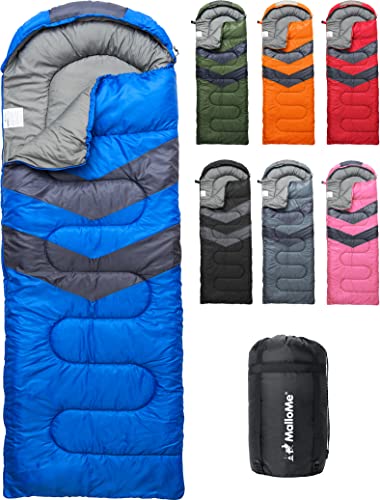
MalloMe Adult & Kids Sleeping Bag for Cold & Warm Weather
- ✓ Lightweight and compact
- ✓ Waterproof and easy to clean
- ✓ Comfortable for all seasons
- ✕ Slightly narrow for larger sleepers
- ✕ Zippers can be tricky when cold
| Temperature Rating | 50°F to 77°F (10°C to 25°C) |
| Weight | Approximately 3 lbs (1.36 kg) |
| Size Fit | Suitable for individuals up to 6 ft tall |
| Outer Shell Material | Waterproof hex-tech fabric with double-layered S-shape stitching |
| Insulation | 3D inner synthetic fiber fill |
| Packability | Includes compression sack with straps for easy storage and transport |
Ever tried squeezing into a bulky sleeping bag that feels more like a sauna than a cozy retreat? I’ve been there, struggling with heavy, cumbersome gear on long hikes.
That was until I packed the MalloMe Adult & Kids Sleeping Bag for my recent camino trip. Its lightweight design immediately caught my eye, weighing just around 3 pounds, yet feeling sturdy and well-made.
The first thing I noticed was how easy it was to pack. The included compression sack with straps made squeezing it into my backpack a breeze.
The outer shell feels ultra-strong and waterproof, which meant I didn’t worry about damp ground or unexpected rain. I tested the waterproof feature by wiping it down, and it cleaned up effortlessly with just a damp cloth.
Inside, the synthetic fiber fill kept me warm and comfortable, even during chilly mornings. I appreciated the adjustable drawstrings at the head, allowing me to tighten the bag for extra warmth.
The double-sided snag-free zippers worked smoothly, never catching or jamming, which is a huge plus after a long day of hiking.
It’s versatile enough for all seasons, rated for 50°F to 77°F, so I felt confident using it from spring through fall. And with its vibrant colors, it’s fun for kids or adults.
Plus, the machine-washable fabric means easy cleaning after dirtier adventures.
Overall, this sleeping bag feels like a genuine upgrade for lightweight backpackers. It offers comfort, durability, and warmth without the bulk, making it a real game-changer for the camino or any outdoor trip.
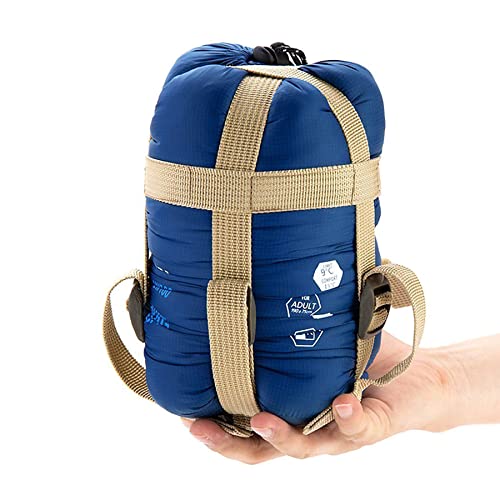
ECOOPRO Warm Weather Sleeping Bag – Portable, Waterproof,
- ✓ Ultra lightweight and compact
- ✓ Waterproof and weatherproof
- ✓ Soft, breathable lining
- ✕ Not suitable for cold weather
- ✕ Limited insulation
| Material | Nylon (waterproof and durable), 100% Polyester (breathable and skin-friendly) |
| Temperature Range | 55°F to 60°F (13°C to 16°C) |
| Dimensions | 83 inches (length) x 30 inches (width) |
| Weight | 1.7 pounds (approx. 771 grams) |
| Packability | Compresses to 11 inches in height |
| Design Features | Waterproof, weatherproof, smooth zip closure |
The first thing you’ll notice about the ECOOPRO Warm Weather Sleeping Bag is how lightweight and compact it feels in your hands. It rolls up easily and fits snugly into its small carrying sack, making it perfect for hikes or the Camino where every ounce counts.
As you unfold it, the waterproof nylon outer shell immediately stands out. It feels sturdy and weatherproof, giving you peace of mind against unexpected rain or dew.
The zipper runs smoothly without snagging, which is a small but significant detail when you’re trying to get comfortable quickly.
The interior lining, made of breathable polyester, feels soft and skin-friendly. It’s a cozy environment that keeps you warm without overheating, ideal for temperatures between 55 and 60°F.
I found it easy to slide into without fuss, and it stayed comfortable throughout the night.
Its size—83 inches long and 30 inches wide—fits most adults and even two kids comfortably. The design allows you to use it without extra liners, making it versatile for different weather conditions or even as a camping comforter.
Plus, it’s surprisingly lightweight at just 1.7 pounds, so carrying it on long treks doesn’t feel like a chore.
While it’s not suitable for very cold weather, it excels in warm, damp environments. The durability of the nylon shell and the breathability of the lining make it a reliable companion for outdoor adventures.
Overall, it’s a smart choice for anyone needing a portable, weatherproof sleeping option for the Camino or similar trips.
What Key Features Should You Look for in a Lightweight Sleeping Bag for the Camino?
Packability is another essential feature; a sleeping bag that compresses into a small stuff sack will make it easier to fit into your backpack, allowing you to optimize space for other necessities.
When it comes to insulation type, down sleeping bags are favored for their lightweight and compressible nature, making them ideal for dry conditions. However, if you’re expecting wet weather, synthetic insulation is advantageous as it retains warmth even when damp and dries quicker.
The temperature rating is a key consideration for comfort; ensure that your sleeping bag is rated for temperatures that you are likely to encounter during your trek, typically 40°F or lower for cooler nights on the Camino.
The shape of the sleeping bag affects both comfort and thermal efficiency; mummy-shaped bags are designed to hug the body and retain heat better, whereas rectangular bags provide more space but can lead to heat loss.
Durability is vital; choose a sleeping bag with a tough outer shell material that can withstand the rigors of the trail, ensuring it lasts throughout your journey. Look for features such as reinforced stitching and high-quality zippers to enhance longevity.
Lastly, additional features like a draft collar can prevent heat loss, and a pocket for storing small items can add convenience during your travels, making your sleeping experience more comfortable and practical.
How Do You Choose the Right Temperature Rating for Your Lightweight Sleeping Bag on the Camino?
Choosing the right temperature rating for your lightweight sleeping bag on the Camino is crucial for comfort and safety during your trek.
- Seasonal Ratings: Consider the season when you will be hiking the Camino as temperature ratings can vary significantly throughout the year.
- Temperature Range: Look for bags that cover a range of temperatures, ensuring you are prepared for both warm and cool nights.
- Insulation Type: The type of insulation in your sleeping bag will affect its warmth-to-weight ratio, influencing your choice based on the climate.
- Personal Comfort: Everyone has different tolerance levels to cold; choose a bag that aligns with your personal comfort preferences.
- Weight and Packability: Since you’re looking for a lightweight sleeping bag, ensure that it balances warmth with portability for easier travel.
Seasonal Ratings: Understanding the seasonal ratings is essential as they indicate the temperature range in which the sleeping bag performs optimally. For instance, a bag rated for summer may not suffice during colder months, while a winter-rated bag might be too warm during milder seasons.
Temperature Range: A good sleeping bag should have a temperature range that suits the conditions you’ll encounter on the Camino. Research average nightly temperatures for your planned hiking season to ensure you select a bag that keeps you warm without overheating.
Insulation Type: Lightweight sleeping bags typically use either down or synthetic insulation. Down bags offer excellent warmth-to-weight ratios but can lose insulation properties when wet, while synthetic materials perform better in damp conditions but may be bulkier.
Personal Comfort: Each individual has a unique sensitivity to cold, which affects how well they sleep at night. Test sleeping bags with similar ratings at home before your trip to determine what feels comfortable for you, and consider adding extra layers or liners if needed.
Weight and Packability: When selecting a sleeping bag for the Camino, prioritize options that are lightweight and compressible, making them easy to carry in your backpack. A compact bag can save you energy and space, which is vital when trekking long distances.
What Are Some of the Top Recommended Lightweight Sleeping Bags for the Camino?
Some of the top recommended lightweight sleeping bags for the Camino include:
- Sea to Summit Spark SPI: This sleeping bag is known for its exceptional warmth-to-weight ratio, making it ideal for long treks. Weighing just around 400 grams, it features a down insulation that provides excellent thermal efficiency while compressing down to a very small size for easy packing.
- Therm-a-Rest Vesper 20: The Vesper 20 is designed for versatility and comfort, with a weight of approximately 600 grams. It includes a unique integrated insulation that retains warmth and provides a high level of packability, making it a great option for the Camino’s varying climates.
- REI Co-op Flash 45: This bag strikes a balance between comfort and weight, coming in at about 700 grams. It features a water-repellent down fill and a tapered design that enhances thermal efficiency, ensuring that you stay warm without adding bulk to your pack.
- Big Agnes Anvil Horn SL 30: Weighing around 600 grams, this sleeping bag is designed for three-season use, making it a solid choice for the Camino. Its unique design includes a built-in sleeping pad sleeve, which prevents the bag from shifting during the night, ensuring a restful sleep.
- Naturehike Ultralight Down Sleeping Bag: This budget-friendly option weighs approximately 500 grams and is filled with high-quality down insulation. It packs down small, making it easy to carry while still providing a comfortable warmth level for cooler nights on the trail.
What Makes Each Recommended Sleeping Bag Unique?
The best lightweight sleeping bags for the Camino offer unique features tailored for comfort, portability, and specific weather conditions.
- REI Co-op Helio Sleeping Bag: This bag is known for its exceptional packability and lightweight design, making it easy to carry on long treks like the Camino.
- Sea to Summit Spark Sp I: This ultra-lightweight bag is favored for its high warmth-to-weight ratio, ideal for those looking to minimize pack weight without sacrificing comfort.
- Big Agnes Anvil Horn 15: This sleeping bag features a unique combination of synthetic insulation and a built-in sleeping pad sleeve, ensuring warmth and convenience during the night.
- Therm-a-Rest Hyperion 20: With its innovative materials and design, this bag provides excellent insulation while remaining incredibly light, making it a top choice for those trekking the Camino.
- Nemo Disco 15: This sleeping bag stands out for its spoon shape, which allows for more sleeping positions and comfort, especially for side sleepers on the trail.
The REI Co-op Helio Sleeping Bag is made from water-resistant fabric and features a compressible design, making it a practical choice for travelers who need to pack light. Its durability and cozy lining provide a reassuring warmth during chilly nights.
The Sea to Summit Spark Sp I is designed specifically for ultralight backpackers. It incorporates premium down insulation that ensures warmth without adding excessive weight, and its compact size makes it easy to stow away in a backpack.
The Big Agnes Anvil Horn 15 is unique because of its innovative sleeping pad sleeve, which keeps the pad in place and eliminates cold spots. This design enhances comfort while providing reliable insulation, perfect for the varying temperatures on the Camino.
The Therm-a-Rest Hyperion 20 is crafted with advanced materials that not only keep the weight down but also maximize warmth retention. Its design features a snug fit that minimizes heat loss, making it a great option for cooler nights.
The Nemo Disco 15 offers a unique spoon shape that allows for extra room at the elbows and knees. This feature is particularly beneficial for side sleepers, providing comfort and flexibility without compromising insulation or warmth.
What Are the Advantages of Using a Lightweight Sleeping Bag While Walking the Camino?
The advantages of using a lightweight sleeping bag while walking the Camino include ease of transport, comfort, and versatility.
- Portability: A lightweight sleeping bag is easier to carry, which is essential when walking long distances. Its reduced weight means you can pack it without adding too much bulk to your gear, allowing you to maintain an efficient and manageable load.
- Comfort: Lightweight sleeping bags are often designed with comfort in mind, providing warmth without unnecessary weight. They typically use advanced materials that offer good insulation, ensuring that you stay warm during cooler nights along the Camino.
- Versatility: Many lightweight sleeping bags are designed for multiple uses, making them suitable for various conditions and locations. They can easily transition from the Camino to other outdoor adventures, making them a smart investment for travelers and hikers alike.
- Quick Drying: Lightweight sleeping bags often use synthetic materials that dry quickly if they become damp. This feature is particularly beneficial on the Camino, where weather conditions can change rapidly, and staying dry is crucial for comfort and health.
- Space-saving Design: These sleeping bags can be compressed into small sizes, making them ideal for limited packing space. This is especially useful for pilgrims who need to maximize their pack’s efficiency without sacrificing essential gear.
- Breathability: Many lightweight options are made with breathable fabrics that help regulate body temperature. This can prevent overheating during warmer nights, enhancing overall sleep quality while on the trail.
What Are the Potential Disadvantages of Lightweight Sleeping Bags for Camino Pilgrims?
Lightweight sleeping bags can be beneficial for Camino pilgrims, but they also come with several potential disadvantages that should be considered:
- Insulation Issues: Lightweight sleeping bags often sacrifice bulk for weight, which can compromise their insulation capabilities. This may lead to discomfort during colder nights, especially at higher elevations or during certain seasons when temperatures drop significantly.
- Durability Concerns: Many lightweight sleeping bags use thinner materials to reduce weight, which can make them less durable. This can be problematic for pilgrims who encounter rough terrains or harsh weather conditions, as a lightweight bag may be more prone to wear and tear.
- Limited Features: To keep the weight down, some lightweight sleeping bags may lack additional features such as hoods, draft collars, or zippers. These features can greatly improve comfort and warmth, and their absence might lead to a less enjoyable sleeping experience.
- Size and Space Limitations: Lightweight sleeping bags can sometimes be narrower or shorter than standard bags to save weight and space. This can be uncomfortable for taller or broader individuals, making it difficult to find a proper fit during sleep.
- Temperature Rating Misleading: The temperature ratings of lightweight sleeping bags can sometimes be misleading. While they may be rated for certain temperatures, real-world conditions may lead to colder experiences than expected, especially if the bag is not paired with an appropriate sleeping pad or worn layers.
How Can You Care for and Maintain Your Lightweight Sleeping Bag While on the Camino?
Caring for and maintaining your lightweight sleeping bag while on the Camino is essential to ensure its longevity and performance.
- Regular Cleaning: It’s important to clean your sleeping bag periodically, especially if it gets damp or soiled during your trek. Use a gentle detergent and follow the manufacturer’s instructions to wash it in a front-loading washing machine to avoid damaging the insulation.
- Drying Properly: After washing, ensure that your sleeping bag is dried thoroughly to prevent mold and mildew. Use a low heat setting in a dryer with a couple of clean tennis balls to help fluff the insulation back up and maintain its loft.
- Storage Techniques: When not in use, store your sleeping bag uncompressed in a large cotton sack or loosely in a breathable storage bag. This helps retain the insulation’s loft and prevents damage from compression over long periods.
- Repairing Damage: If you notice any tears or damage during your journey, address them immediately with a patch or repair tape designed for outdoor gear. This will help maintain the integrity of your sleeping bag and extend its life.
- Avoiding Moisture: Protect your sleeping bag from moisture by using a waterproof stuff sack and ensuring that it stays dry during rainy conditions. If your bag does get wet, dry it out as soon as possible to maintain its warmth and insulation properties.
- Insulation Care: Handle your sleeping bag gently and avoid sitting or lying on it with sharp objects, as this can puncture or compress the insulation. This is especially crucial for lightweight bags, which can be more susceptible to damage.