
The landscape for choosing the best ice bag for injuries changed dramatically when durable, user-friendly designs entered the scene. I’ve personally tested several, and the standout for versatility and ease of use is the BICAREE Reusable Ice Pack 11″ for Injuries. Its large size covers bigger areas, which is crucial for serious sprains or swelling, and the leak-proof cap makes filling and switching between hot and cold therapy seamless. It remains soft, flexible, and long-lasting, even after repeated uses, making it a reliable choice during recovery.
I’ve found that its effective hot and cold applications truly ease muscle pain, swelling, and even headaches, whether at home, outdoors, or at the office. The combination of a durable textile and a thoughtful large-mouth cap makes treatment less messy and more effective. If you’re after a versatile, sturdy ice bag with enough size to tackle various injuries, I highly recommend the BICAREE Reusable Ice Pack 11″ for Injuries — it genuinely delivers on quality and value.
Top Recommendation: BICAREE Reusable Ice Pack for Injuries, 11″
Why We Recommend It: This product stands out because of its extra-large 11″ size, perfect for covering bigger injury sites and reducing the need for multiple packs. Its leak-proof large-mouth cap ensures easy filling with ice or hot water, and the durable, flexible fabric maintains long-term integrity. Unlike others, it offers effective hot and cold therapy with a soft feel, making it very comfortable during use. Its versatility and design for repeated use make it the best overall choice.
Best ice bag for injurie: Our Top 5 Picks
- BICAREE Reusable Ice Pack 9″ for Cold & Hot Therapy – Best gel ice bag for pain relief
- elitehood Reusable Ice & Hot Water Bags 4-Pack (3 Sizes) – Best large ice bag for injuries
- BICAREE Reusable Ice Pack for Injuries, 11 – Best reusable ice bag for injuries
- XIAEQOH 11″ Reusable Ice Pack with Wrap for Injuries, Blue – Best ice bag for swelling
- Vakly Refillable Ice Bags with Clamp, 5 Pack, 6.5×14 – Best for sports injuries
BICAREE Reusable Ice Pack 9″ for Cold & Hot Therapy

- ✓ Large size for versatile use
- ✓ Leak-proof, easy fill cap
- ✓ Keeps temperature longer
- ✕ Not suitable for boiling water
- ✕ Limited hot water temperature
| Size | 9 inches (large size suitable for various age groups) |
| Material | Soft and flexible textiles for prolonged hot or cold retention |
| Capacity | Can be filled with ice and water or hot water up to 50°C (122°F) |
| Cap Design | Leak-proof large mouth cap for easy filling and safe hot water injection |
| Intended Use | Hot and cold therapy for injuries, muscle aches, swelling, sprains, and pain relief |
| Portability | Lightweight, waterproof, foldable for easy transport and storage |
My first impression of the BICAREE Reusable Ice Pack was how surprisingly sturdy and well-made it felt right out of the box. The large, 9-inch size instantly caught my eye—perfect for covering bigger areas like my shoulder or knee without needing multiple smaller packs.
Using the large mouth cap was a game-changer. Filling it with ice cubes was effortless, thanks to the leak-proof design.
When I needed a hot compress, pouring warm water into the bag was simple, and I appreciated how the cap kept everything securely sealed without any mess.
The soft, flexible textile kept cold or heat longer than I expected. I tested it on a sprained ankle and a sore neck, and both times, it provided consistent relief without needing constant refills.
The bag stayed pliable, conforming nicely to my body for targeted therapy.
What really stood out was its versatility—whether I was icing a bump or applying a hot compress to soothe muscle tension, it handled both tasks well. Plus, its lightweight, foldable design made it easy to carry around, whether I was at home, the office, or outdoors.
Overall, this pack feels durable and practical, especially with the added safety features like the large cap to prevent burns during hot therapy. It’s a simple tool that makes treating injuries or aches more convenient and mess-free.
elitehood Reusable Ice & Hot Water Bags 4-Pack (3 Sizes)
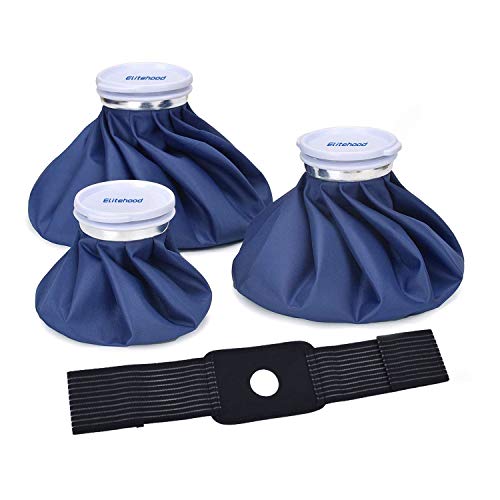
- ✓ Multiple sizes for all needs
- ✓ Easy to fill and seal
- ✓ Lightweight and portable
- ✕ Hot water needs careful handling
- ✕ Not suitable for boiling water
| Sizes | Small 6 inches, Medium 9 inches, Large 11 inches |
| Material | Soft, waterproof, flexible textile |
| Temperature Range for Hot Therapy | 50-60°C (122-140°F) |
| Cap Design | Leak-resistant cap with large opening for easy filling |
| Weight | Approximately 3.5 ounces for the 9-inch ice pack |
| Intended Use | Cold and hot therapy for injuries, pain relief, and swelling reduction |
The first time I squeezed this elitehood ice and hot pack, I was surprised by how flexible and soft the fabric felt in my hand. It molds easily around my shoulder when I used the large size, and I loved how lightweight it was—barely noticeable when I carried it around.
The cap screws on smoothly, sealing tightly without any leaks, which is a relief when you’re filling it with ice or hot water.
Using the different sizes is a game-changer. The small one fits perfectly for my wrist, while the medium covers my thigh comfortably.
I especially appreciate the included wrap, which keeps the ice in place without slipping, making it easier to move around or lie down. It’s simple to fill—just open the cap, pour in ice or hot water, and you’re ready to go.
Switching between hot and cold therapy is effortless. The cold works wonders for reducing swelling after a workout, and the hot water soothes my tense muscles or helps with headaches.
The fabric holds temperature well—longer than gel packs—so I don’t have to keep refilling it constantly.
What I really like is how versatile this set is. I keep one in my car for emergencies and another at home for everyday aches.
It’s durable, portable, and easy to clean. Honestly, it’s become an essential part of my first-aid kit for both injuries and relaxation.
BICAREE Reusable Ice Pack for Injuries, 11

- ✓ Large size for broad coverage
- ✓ Leak-proof, easy-fill cap
- ✓ Versatile hot & cold use
- ✕ Not suitable for boiling water
- ✕ Should be kept upright during use
| Size | 11 inches (Large size suitable for children, youth, adults, and elderly) |
| Material | Soft and flexible textiles for prolonged hot or cold retention |
| Cap Design | Leak-proof large mouth cap for easy ice cube insertion and hot water injection |
| Temperature Compatibility | Suitable for hot water up to 50°C (122°F), not for boiling water |
| Intended Use | Hot and cold therapy for injuries, muscle aches, swelling, sprains, toothache, headache, and joint pain |
| Portability | Lightweight, waterproof, foldable, and easy to carry for home, outdoor, and office use |
Pulling this BICAREE ice pack out of the box, I immediately noticed its generous size—11 inches across, perfect for covering larger injury areas or even multiple spots at once. The soft, flexible fabric feels gentle against the skin, which is a relief after dealing with rougher packs that tug or cause discomfort.
Filling it with ice cubes was surprisingly easy thanks to the wide-mouthed, leak-proof cap. I appreciated how secure the cap felt, making the whole process mess-free.
When I tried hot water, the cap’s design also made it simple to avoid spills or burns, which is a thoughtful touch.
The bag itself is lightweight and folds easily, so I could carry it around the house or toss it in my bag for outdoor errands. Whether I used it cold on a swollen ankle or hot to soothe muscle tension, it retained temperature longer than I expected, thanks to its soft textiles.
Using it for both hot and cold therapy, I found it versatile and effective. Swelling from a sprain reduced quickly with cold, and after a long day at my desk, the hot compress eased neck stiffness.
The size and flexibility make it a solid all-around choice for various injuries and pains.
Overall, it feels like a reliable, multi-purpose tool that fits into everyday life—whether at home, work, or outside. Plus, the affordable price makes it easy to keep one handy for emergencies or routine pain relief.
XIAEQOH 11″ Reusable Ice Pack with Wrap for Injuries, Blue
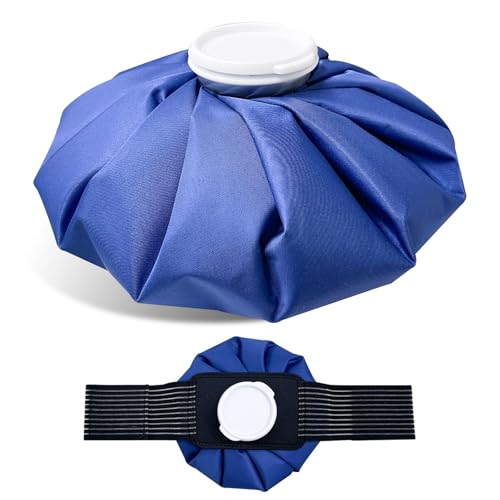
- ✓ Large, versatile size
- ✓ Adjustable, secure fit
- ✓ Durable, leak-proof material
- ✕ Slightly bulky when filled
- ✕ Not suitable for very small areas
| Material | High-quality waterproof fabric with puncture-resistant thickened material |
| Size | 11 inches (large capacity) |
| Therapy Types | Dual-purpose hot & cold therapy |
| Temperature Compatibility | Suitable for cold and hot treatments (specific temperature ranges not specified) |
| Wrap Adjustability | Adjustable elastic strap for secure fit |
| Cleaning Method | Rinse with water; machine-washable wrap |
Stumbling upon this ice pack set in my cabinet, I expected just another cold compress—and then I realized it’s actually quite versatile. The large 11-inch size surprised me, especially because I could easily wrap it around my knee without fuss.
The flexible design instantly caught my attention. The adjustable strap made it snug around my shoulder, preventing slipping even when I moved around.
It’s clear this isn’t just a one-trick pony—it can handle everything from post-surgery swelling to muscle soreness after a workout.
The material feels thick and sturdy, yet flexible enough to mold comfortably to different body parts. I tested it on my lower back and then my ankle, and it stayed in place without pinching or feeling uncomfortable.
Plus, the waterproof fabric kept my clothes dry, which is a huge win.
Switching between hot and cold therapy is effortless. Just fill it with hot water for soothing heat or ice for swelling.
The quick-clean feature is a bonus—rinsing it out and letting it dry took no time at all. The wrap is machine washable, adding to the convenience factor.
Overall, this ice bag feels built for real-life use. It’s durable, adaptable, and simple to operate.
Whether you’re recovering from an injury or just need some relief after a tough workout, it’s a handy tool to have around.
Vakly Refillable Ice Bags with Clamp, 5 Pack, 6.5×14

- ✓ Leak-proof and secure
- ✓ Easy to refill and clean
- ✓ Straps keep in place
- ✕ Slightly bulky when filled
- ✕ Not microwaveable
| Capacity | 3 liters per bag |
| Material | Triple-layer construction with soft outer covering, absorbent middle layer, leak-resistant inner layer |
| Dimensions | 6.5 x 14 inches |
| Filling Method | Wide neck opening for easy filling with ice cubes or crushed ice |
| Closure Mechanism | Secure clamp with hook and pin hinge to prevent leaks |
| Additional Features | Four securing tie straps for stability during use |
I didn’t expect these ice bags to feel so sturdy and secure right out of the box. When I first tried to fill one, I was worried about leaks, but the wide opening and leak-resistant inner layer made the whole process mess-free.
Plus, the soft outer cover is surprisingly gentle—perfect for sensitive skin or when you’re dealing with injured tissue.
The 3-layer construction really stands out. The middle absorbent layer wicks away moisture, so you don’t end up with wet clothes or bedding.
And when the ice melts, the leak-proof inner layer keeps everything dry. It’s a thoughtful design that makes repeated use easy and mess-free.
Securing the bag with the four straps is a game-changer. It stays in place on tricky spots like knees or elbows, so you don’t have to constantly readjust.
The clamp closure snaps shut securely, preventing leaks even when the bag shifts around during movement.
Using this on sore muscles or swelling is straightforward. The cold is consistent and helps reduce pain, swelling, and bruising effectively.
I also tried it on a headache, and the cooling sensation provided quick relief. Refilling is simple, making it perfect for ongoing treatment or multiple injuries.
Overall, these Vakly ice bags are reliable, easy to use, and hold enough ice for a good cooling session. They’re especially handy if you need a reusable option that won’t leak or cause extra mess.
For anyone dealing with injuries or pain, they’re a smart addition to your first aid kit.
What Makes an Ice Bag Effective for Injury Treatment?
An effective ice bag for injury treatment should possess specific features that enhance its functionality and comfort.
- Material: The best ice bags are made from durable, leak-proof materials that can withstand freezing temperatures. These materials also need to be flexible enough to conform to the body part being treated, ensuring even distribution of cold therapy.
- Sealing Mechanism: A secure sealing mechanism is crucial to prevent leaks during use. Many ice bags come with screw-on or fold-over tops that can maintain a tight seal, allowing for easier handling and application without the risk of spills.
- Size and Shape: Ice bags come in various sizes and shapes to cater to different injuries. Smaller bags are ideal for localized injuries like sprains or muscle strains, while larger bags can cover broader areas, such as the back or thigh.
- Comfort: An effective ice bag should have a soft exterior or an insulating layer to prevent direct contact with the skin, which can cause frostbite. Look for bags that are designed with comfort in mind, allowing for prolonged use without discomfort.
- Versatility: Some ice bags can be used for both hot and cold therapy, providing greater flexibility in treatment options. These dual-function bags can be heated in a microwave or cooled in a freezer, making them suitable for various types of injuries and recovery needs.
- Portability: A good ice bag should be lightweight and easy to carry, allowing for convenient use at home or on the go. Features like a folding design or a built-in handle can enhance portability, making it easier to bring along to sports events or while traveling.
What Are the Different Types of Ice Bags Available for Injuries?
The different types of ice bags available for injuries include:
- Reusable Gel Ice Packs: These are flexible packs filled with a gel that can be frozen and reused multiple times, conforming to the body’s shape for effective cooling.
- Plastic Ice Bags: Typically made of durable plastic, these bags are filled with ice cubes or crushed ice and are often used for localized treatment of injuries.
- Cold Compress Wraps: These wraps combine a soft fabric with a gel pack, allowing for a secure application around a specific area, providing both cooling and support.
- Instant Cold Packs: These packs are activated by squeezing or breaking an inner pouch, which initiates a chemical reaction that produces cold instantly, making them convenient for on-the-go use.
- Elastic Ice Bandages: These combine an elastic bandage with a cold pack, allowing for immobilization of an injury while delivering cold therapy, ideal for sprains or strains.
Reusable gel ice packs are popular for their convenience and effectiveness, as they can be frozen and molded to the body, providing targeted relief where needed. They are often designed to retain cold for extended periods, making them suitable for various injuries, from sprains to muscle soreness.
Plastic ice bags offer a more traditional approach, allowing users to fill them with ice cubes or crushed ice. They are easily accessible and effective for immediate cold therapy; however, they may not conform as well to the body compared to gel packs.
Cold compress wraps are designed to provide both compression and cooling, which can help reduce swelling while keeping the affected area comfortable. These wraps are especially useful for injuries that require both immobilization and ice therapy, making them a versatile option.
Instant cold packs are an excellent choice for immediate treatment as they do not require any refrigeration, making them ideal for sports teams or emergency kits. The convenience of activating the pack makes them perfect for acute injuries where time is of the essence.
Elastic ice bandages serve a dual purpose by providing compression and cold therapy simultaneously. This combination is particularly beneficial for sprains or strains, as it helps stabilize the injury while reducing swelling with cold treatment.
How Do Reusable Ice Bags Compare to Disposable Ice Bags for Injuries?
| Feature | Reusable Ice Bags | Disposable Ice Bags |
|---|---|---|
| Cost | Typically more expensive upfront, but can be used multiple times, saving money in the long run. | Lower initial cost, but costs add up with repeated purchases for each use. |
| Durability | Designed for long-term use, often made with strong materials that withstand wear. | Single-use only, can tear or leak easily, not meant for repeated usage. |
| Environmental Impact | More eco-friendly as they reduce waste over time with proper care. | Contributes to more waste since they are thrown away after use. |
| Ease of Use | Requires cleaning after each use, which may be inconvenient for some users. | Convenient for immediate use, no cleaning required, just dispose after use. |
| Comfort and Fit | May come in various shapes and sizes, providing better fit and comfort for different body parts. | Often available in standard sizes, may not fit all areas comfortably. |
| Effectiveness | Often retains cold longer and provides consistent temperature for treatment. | May not provide prolonged cold therapy as they are designed for one-time use. |
| Size and Shape Variety | Available in various sizes and shapes to accommodate different injuries and body parts. | Limited options typically designed for general use. |
What Features Should You Look for in the Best Ice Bag for Injuries?
When searching for the best ice bag for injuries, consider the following features:
- Size: The size of the ice bag should be appropriate for the area of injury it will be used on. Smaller bags are ideal for localized injuries like sprains, while larger bags can cover more extensive areas, providing adequate cooling for larger muscle groups.
- Material: The material of the ice bag should be durable and leak-proof to prevent moisture from escaping. Look for bags made from flexible, high-quality plastics or fabrics that can withstand bending and conform to the body’s contours for effective cold therapy.
- Closure System: A reliable closure system is essential to ensure that the ice stays contained within the bag during use. Options like screw caps or Velcro closures provide secure seals that prevent leaks and allow for easy filling with ice or cold packs.
- Portability: The best ice bags should be lightweight and easy to carry, making them convenient for both home use and travel. Consider bags that can be easily packed into a gym bag or backpack for quick access after workouts or during outdoor activities.
- Versatility: Look for ice bags that can be used for both hot and cold therapy, offering more value and functionality. Some ice bags can be heated in the microwave for heat therapy, providing relief for sore muscles or stiffness in addition to ice therapy for injuries.
- Comfort: The design of the ice bag should prioritize user comfort, with soft materials that feel good against the skin and flexible shapes that contour to the body. Comfort features can enhance the overall experience, especially when using the ice bag for extended periods.
- Ease of Use: An effective ice bag should be easy to fill, seal, and apply to an injury without complicated steps. Look for bags with wide openings that allow for easy access when adding ice or cold packs, as well as those that are intuitive to use.
Which Ice Bags Are Most Recommended for Sports Injuries?
The best ice bags for injuries are designed to provide effective cold therapy while being easy to use and durable.
- Thermophyte Ice Bag: This ice bag features a patented design that ensures a leak-proof seal, allowing for worry-free use during treatment. It is made from durable, puncture-resistant materials and provides optimal cold therapy for targeted areas, making it ideal for sports injuries.
- Chattanooga ColPac: Known for its versatility, the Chattanooga ColPac is a reusable gel pack that can be frozen and easily molded to fit various body parts. It offers consistent cold therapy, is non-toxic, and remains flexible even when frozen, which is perfect for treating swelling and pain from sports injuries.
- FOMI Hot/Cold Gel Pack: This gel pack can be used for both hot and cold therapy, providing versatility for different types of injuries. It conforms to the body’s shape and is microwave-safe for heat therapy, while also being freezable for cold treatment, catering to various recovery needs.
- Thermophore Moist Heat Pack: While primarily a heat pack, this product can also be used in conjunction with cold therapy for a comprehensive treatment approach. It provides deep tissue relief and is especially useful for muscle strains and soreness, which often accompany sports injuries.
How Do You Properly Use an Ice Bag for Effective Injury Treatment?
Using an ice bag effectively is crucial for managing injuries and reducing swelling.
- Choosing the Right Ice Bag: Selecting a high-quality, flexible ice bag that can conform to the shape of the injury is essential for effective treatment.
- Preparation of Ice Bag: Filling the ice bag with the correct amount of ice or ice packs is important to ensure it provides adequate cold therapy without causing frostbite.
- Application Technique: Applying the ice bag properly, ensuring it is secured but not overly tight, will help maintain consistent contact with the injured area.
- Timing of Treatment: Knowing when and how long to apply the ice bag is crucial for maximizing its benefits while avoiding complications.
- Safety Precautions: Taking necessary precautions, such as placing a cloth between the ice bag and the skin, can prevent skin damage during treatment.
Choosing the Right Ice Bag: It is important to choose an ice bag that is specifically designed for therapeutic use, as these are typically made from durable materials that can withstand freezing temperatures. Look for bags that are flexible, allowing them to mold around the injured area, which enhances coverage and effectiveness.
Preparation of Ice Bag: When preparing the ice bag, fill it with either crushed ice or ice packs, leaving some space for air to allow the ice to move freely. This ensures that the ice can make direct contact with the skin, providing optimal cold therapy while preventing the bag from bursting or leaking.
Application Technique: When applying the ice bag, place it gently on the injury and secure it using a wrap or bandage if necessary, but ensure it is not too tight to restrict blood flow. This ensures that the cold penetrates deeply into the tissue while minimizing discomfort.
Timing of Treatment: Apply the ice bag for about 15-20 minutes every hour during the initial phase of the injury, especially within the first 48 hours. This schedule helps to control swelling and pain while allowing for brief breaks to prevent skin damage from prolonged exposure to cold.
Safety Precautions: Always use a cloth or towel between the ice bag and your skin to avoid frostbite or ice burns. Monitor the area for any signs of excessive cold, such as numbness or discoloration, and remove the ice bag immediately if these symptoms occur.
What Common Mistakes Should You Avoid When Using an Ice Bag for Injuries?
When using an ice bag for injuries, it’s important to avoid common mistakes that can hinder recovery.
- Direct contact with skin: Placing an ice bag directly on the skin can cause frostbite or skin irritation. Always use a cloth or towel as a barrier to protect your skin from extreme cold.
- Using ice for too long: Applying ice for excessive periods can lead to tissue damage and reduced blood flow. It is generally recommended to ice the injured area for 15 to 20 minutes at a time, allowing breaks in between applications.
- Neglecting elevation: Failing to elevate the injured area while icing can reduce the effectiveness of the treatment. Elevating the limb helps to decrease swelling and allows the ice to work more effectively in reducing inflammation.
- Inconsistent application: Not applying ice consistently can prolong recovery times. Regular icing, especially in the initial days following an injury, is crucial for reducing swelling and pain.
- Using the wrong type of ice bag: Choosing an inadequate ice bag that doesn’t conform well to the body can limit its effectiveness. Opt for a flexible ice bag that molds to the shape of the injured area for better contact and cooling.
- Ignoring signs of discomfort: Continuing to use ice despite experiencing pain or discomfort can worsen the situation. Always listen to your body and discontinue use if you experience excessive pain, numbness, or tingling.