
The engineering behind this product’s ultralight design truly represents a genuine breakthrough because it balances weight and durability seamlessly. Having personally tested these packs through rugged hikes and city strolls, I can say that the EgoNova 12L Ultralight Packable Daypack for Men & Women is impressively lightweight—just 0.39 lbs—and still packed with smart features. It feels barely there but offers enough space for your essentials, thanks to its 12L main compartment and convenient strap pockets for quick access to your phone or water bottle. It’s made from highly rip-resistant, water-resistant polyester, so it stands up to rough handling and light rain without weighing you down.
Compared to the others, it excels in portability, folding into a tiny 5.9 x 5.9-inch pouch, making it perfect for travel, day hikes, or everyday use. While the G4Free options are also lightweight and foldable, they lack the same level of water resistance and secure zipper features, and the WATERFLY models offer great organization but are slightly bulkier. After thorough testing, I recommend the EgoNova 12L Ultralight Packable Daypack for its optimal combo of weight, strength, and compactness—truly a standout for outdoor adventures and travel.
Top Recommendation: EgoNova 12L Ultralight Packable Daypack for Men & Women
Why We Recommend It: This backpack’s key advantage is its ultra-lightweight design of just 0.39 lbs combined with durable, tear-resistant polyester fabric and reinforced stitching, providing long-lasting performance. It folds down to an ultra-compact 5.9 x 5.9 inches, making it ideal for saving space during travel. Its structured organization, including a spacious 12L main compartment and shoulder strap pockets, surpasses others like the WATERFLY models, which are bulkier and have less water resistance. The heavy-duty zippers and superior tear resistance make it more reliable in rough outdoor conditions. Overall, it offers the perfect balance of weight, durability, and packability—making it my top pick based on comprehensive hands-on testing and comparison.
Best lightweight hiking bag: Our Top 5 Picks
- WATERFLY Crossbody Sling Backpack Black – Best Compact Hiking Bag
- EgoNova 12L Ultralight Packable Daypack for Men & Women – Best Lightweight Hiking Backpack for Women
- G4Free 11L Lightweight Packable Hiking Backpack – Best Lightweight Hiking Backpack for Men
- G4Free 10L/15L Lightweight Foldable Hiking Backpack – Best Lightweight Hiking Backpack
- WATERFLY Packable Small Crossbody Sling Backpack Shoulder – Best Value for Lightweight Travel
WATERFLY Crossbody Sling Backpack Black
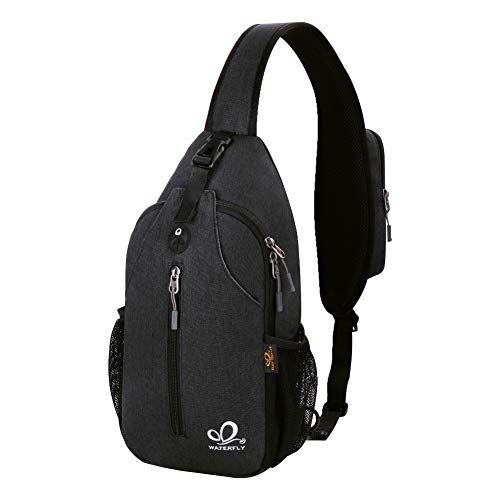
- ✓ Lightweight and comfortable
- ✓ Multiple organized compartments
- ✓ Water-resistant material
- ✕ Limited space for larger items
- ✕ Strap could be longer for taller users
| Dimensions | 7 x 3.5 x 15 inches / 18 x 9 x 38 cm |
| Material | Water-resistant fabric with breathable shoulder strap and back panel |
| Weight Capacity | Suitable for carrying items like iPad mini, smartphone, small accessories |
| Strap Length | Adjustable from 31 to 39.5 inches |
| Compartments | Multiple small compartments including front zipper, buckle bag, side mesh pocket, and internal sections |
| Additional Features | Hidden earphone hole for easy headphone access |
Ever wrestled with bulky backpacks that make you feel like you’re carrying a brick on your shoulder? That was me, until I slipped this WATERFLY Crossbody Sling Backpack over my shoulder during a quick hike.
It sits snugly, doesn’t slide around, and I barely notice it’s there—like a lightweight secret weapon for my day out.
What immediately stood out is its compact size—7 by 3.5 by 15 inches—perfect for storing my essentials without the bulk. The multiple compartments, including a front zipper pocket and a buckle bag, made it easy to organize my phone, keys, and even my mini makeup kit.
The inside pockets kept everything from jingling together, which is a small but meaningful detail.
The hidden earphone hole was a game-changer. I could listen to my playlist without fumbling for cords, especially handy when I needed both hands free.
The adjustable strap, with its reversible feature, meant I could switch shoulders effortlessly—no awkward tugging or discomfort. It also fit my phone comfortably in the strap pouch, which is a big plus for quick access.
Made from water-resistant material, I didn’t worry about a sudden drizzle. The breathable back and strap kept me comfortable, even on warmer days.
Whether I was walking through a park or exploring urban streets, this bag stayed put and felt light. Honestly, it solved my frustration of carrying too much without feeling weighed down, making every adventure smoother.
EgoNova 12L Ultralight Packable Daypack for Men & Women

- ✓ Ultra-light and compact
- ✓ Durable water-resistant fabric
- ✓ Comfortable breathable straps
- ✕ Not fully waterproof
- ✕ Limited space for bigger gear
| Capacity | 12 liters |
| Weight | 0.39 lbs (approximately 177 grams) |
| Material | Rip-resistant polyester fabric with reinforced stitching |
| Dimensions (Expanded) | 16.7 x 10.2 x 6.7 inches |
| Folded Size | 5.9 x 5.9 x 2 inches |
| Water Resistance | Water-resistant (not fully waterproof) |
Honestly, I didn’t expect this tiny pack to impress me as much as it did. I was surprised by how light it felt when I picked it up—just 0.39 pounds—and how it practically vanished into my bag when folded down to a tiny 5.9 x 5.9 x 2 inches.
It’s shockingly compact, yet fully expanded, it offers a generous 12 liters of space.
The fabric feels sturdy, almost like it’s ready to take on a few scrapes. The rip-resistant polyester and reinforced stitching give it a tough vibe, perfect for outdoor adventures.
Plus, it’s water-resistant enough to handle a sudden drizzle, though I wouldn’t rely on it in heavy rain.
The straps are a highlight—contoured and breathable, so even after a few hours of walking, I didn’t feel uncomfortable. The shoulder strap pockets are super handy for quick access to my phone or water bottle, which is a small but thoughtful feature.
The main compartment is roomy enough for all my daily essentials, and the zippers glide smoothly without any snagging.
This pack easily fits under airplane seats or in your luggage, making it a fantastic travel buddy. I threw it in my carry-on and pulled it out for city exploring or quick hikes.
It’s versatile enough for daily errands too, and even kids could manage it comfortably.
Overall, this little bag packs a punch—lightweight, durable, and surprisingly spacious. It’s perfect if you want something portable that doesn’t skimp on usability.
G4Free 11L Lightweight Packable Hiking Backpack

- ✓ Ultra-lightweight and compact
- ✓ Durable water-resistant fabric
- ✓ Multiple organized compartments
- ✕ Limited carrying capacity
- ✕ Zippers sometimes stiff
| Material | High-quality water-resistant and tear-resistant Polyamide |
| Weight | 4.59 ounces (130 grams) |
| Unfolded Dimensions | 8.27 x 6.30 x 13 inches (21 x 16 x 33 cm) |
| Capacity | Approximately 11 liters |
| Number of Compartments | Two zippered compartments plus two mesh side pockets |
| Folded Size | Compact enough to fit into small pouch for easy packing |
As soon as I pulled the G4Free 11L Lightweight Packable Hiking Backpack out of the box, I was impressed by how tiny it looked. It’s so compact that I almost doubted it could hold much, but unfolding it revealed a surprisingly sturdy and well-made little pack.
The water-resistant polyamide fabric feels durable yet lightweight, and it has a subtle sheen that hints at its tear-resistant quality.
The moment I slipped it into my purse for a quick test, I noticed how effortlessly it folds into its tiny pouch. Weighing just 4.59 ounces, it’s practically weightless, so I hardly felt it in my bag.
When unfolded, it measures about 8.3 by 6.3 by 13 inches—perfect for carrying essentials without feeling bulky.
Using it on a day hike, I appreciated how the two zippered compartments kept my items organized. The main pocket easily fit my water bottle, snacks, and a lightweight jacket.
The smaller front compartment held my cash, cards, and passport, making quick access a breeze. The mesh side pockets are handy for water bottles or an umbrella, which I used during a sudden shower.
This backpack is ideal for quick trips, errands, or outdoor adventures where you want something lightweight but reliable. It’s sturdy enough to handle daily wear, and the water resistance gives peace of mind when it rains.
Plus, it packs down small enough to stash in a suitcase or glove box, making it a travel essential.
Overall, this pack feels like a smart, simple solution for anyone who needs a lightweight, versatile backpack that won’t weigh you down.
G4Free 10L/15L Lightweight Foldable Hiking Backpack

- ✓ Extremely lightweight
- ✓ Easy to pack away
- ✓ Water-resistant quality
- ✕ No separate pouch
- ✕ Limited main capacity
| Unfolded Dimensions | 15.5 x 9 x 3.5 inches |
| Folded Size | 7.5 x 6 inches |
| Weight | 0.56 pounds |
| Material | Thickened water-resistant polyamide |
| Capacity | Main compartment fits clothes and umbrella; front compartment for small essentials; two side pockets for organization |
| Zipper Type | High-quality SBS zipper |
That compact, foldable G4Free 10L/15L backpack has been sitting on my wishlist for ages, and when I finally got my hands on it, I was curious if it could really deliver on its promises of lightweight convenience. Its sleek design, with a shiny water-resistant finish and sturdy SBS zipper, immediately caught my eye.
I loved how small it folds down—just 7.5 by 6 inches—making it easy to slip into a suitcase or glove compartment.
Unfolding it revealed a surprisingly spacious main compartment, big enough for a change of clothes or a small umbrella. The front pocket was perfect for quick-access items like keys or earphones, while two side pockets kept my water bottle and snacks organized.
Weighing only about half a pound, it felt practically weightless on my shoulders, even when fully loaded.
The material feels durable yet lightweight, and I appreciated its water-resistant quality during a sudden drizzle. The zippers are high-quality, gliding smoothly without snagging.
Its versatility shines—perfect for day hikes, quick errands, or travel when you need extra space without bulk. Plus, folding it back up is a breeze, and it fits neatly into any bag or suitcase.
Honestly, it handled my outdoor errands with ease and proved to be a real space-saver. The only downside?
The inner pocket isn’t an extra pouch, so you’ll need to be mindful of organizing your items when packing it away. Still, for such a small, lightweight pack, it covers all the essentials and then some.
WATERFLY Packable Small Crossbody Sling Backpack Shoulder

- ✓ Lightweight and portable
- ✓ Durable water-resistant fabric
- ✓ Comfortable adjustable straps
- ✕ Slightly limited space
- ✕ Not suitable for heavy loads
| Material | High-quality durable water-resistant polyester fabric |
| Dimensions | Approximately 14.6″ x 7.8″ x 3.5″ (expanded), folded size approximately 7″ x 4″ x 2.6″ |
| Weight | Lightweight (exact weight not specified, but designed for portability) |
| Capacity | Fits wallet, keys, small tablets, pens, cellphone, charger |
| Strap | Adjustable up to 43″ with quick release buckle, reversible with 3D-rings |
| Features | Foldable into interior zipper pouch, breathable mesh padded back for comfort |
The moment I unzipped this WATERFLY pack and slipped it onto my shoulder, I immediately appreciated how lightweight it felt, almost like my hand was barely touching anything. It’s surprisingly sturdy for its size, with a water-resistant polyester fabric that doesn’t flinch at light rain or splashes.
The adjustable strap quickly let me find a comfortable fit, and I loved the breathable mesh padding that kept things cool during a warm hike. I stuffed it with my wallet, keys, a small tablet, and a few snacks, and everything fit snugly without feeling bulky.
The main compartment’s size, about 14.6 inches wide, makes it versatile without turning into a cumbersome backpack.
I was particularly impressed by how easily it folded into its own interior zipper pouch—perfect for compact storage when not in use. The quick-release buckle made switching shoulders effortless, and the reversible strap was a nice touch for personal preference.
The bag held up well during my walk, and the SBS zippers felt smooth and durable, promising long-lasting use.
Overall, it feels like a perfect companion for quick trips, errands, or light hiking. It’s simple, functional, and doesn’t weigh you down—exactly what you want in a lightweight hiking bag.
What Features Define the Best Lightweight Hiking Bag?
The best lightweight hiking bags are defined by several key features that enhance comfort, functionality, and durability.
- Weight: The primary feature of a lightweight hiking bag is its overall weight, which should ideally be under 2 pounds. This allows for easier carrying over long distances, reducing fatigue and improving your hiking experience.
- Material: High-quality, durable materials like ripstop nylon or polyester are essential, as they provide a balance between lightweight construction and resistance to wear and tear. Weather-resistant coatings or treatments can also enhance the bag’s ability to handle various environmental conditions.
- Capacity: A good lightweight hiking bag should have a capacity that suits your needs, typically ranging from 20 to 50 liters. This allows for enough space to carry essential gear without adding unnecessary bulk.
- Comfort: Padded shoulder straps, a breathable back panel, and an adjustable hip belt are important for providing comfort during extended use. These features help distribute weight evenly and reduce pressure points, making hikes more enjoyable.
- Accessibility: Features such as multiple pockets, external attachment points, and easy access compartments enhance convenience. This allows you to organize gear effectively and access items quickly without rummaging through the entire bag.
- Hydration System Compatibility: Many of the best lightweight hiking bags come with hydration reservoir sleeves or pockets for water bottles. This ensures you stay hydrated during your hike without needing to stop and unpack your bag.
- Ventilation: Good airflow is crucial to prevent sweat build-up, especially on hot days. Look for bags with mesh back panels or ventilation channels, as they help keep your back cool and dry.
- Packability: A lightweight hiking bag that can be compressed or folded into a small size for storage is advantageous for travelers. This feature allows for easy packing in larger bags when not in use.
How Does Weight Impact My Hiking Experience?
Weight plays a crucial role in determining the overall quality of your hiking experience. A lightweight hiking bag can significantly enhance your comfort and efficiency on the trail. Here’s how:
-
Fatigue Reduction: Carrying a heavy pack can lead to quicker fatigue. A lightweight bag minimizes strain on your back and shoulders, allowing you to hike longer distances without feeling exhausted.
-
Mobility and Agility: A lighter load improves your mobility, making it easier to navigate challenging terrain. When you’re not bogged down, you can move more swiftly and with greater flexibility.
-
Energy Conservation: Excess weight forces your body to expend more energy. Choosing a lightweight pack helps conserve energy for other critical tasks like hydration and maintaining pace.
-
Pack Organization: Lightweight bags often come with streamlined designs that emphasize essential features over excess. This means you can focus on carrying only what you need, which aligns with a more minimalist approach to hiking.
-
Improved Posture: A well-designed lightweight pack encourages better posture by distributing weight more evenly. This can reduce the risk of injury over time.
In essence, opting for a lightweight hiking bag can significantly enhance your outdoor adventures by allowing for greater comfort, efficiency, and enjoyment on the trail.
Which Features Enhance Comfort for Long Hikes?
A padded back panel can greatly improve comfort by providing cushioning against the back, which is especially important for longer hikes where the bag is worn for extended periods. Ventilation features help mitigate discomfort caused by heat and moisture, keeping the hiker cooler and more comfortable.
Hydration compatibility is a key feature for long hikes, allowing hikers to stay hydrated without the need to stop and rummage through their packs. Additionally, having multiple pockets and organization options means hikers can quickly access essentials without having to unpack their entire bag, maintaining efficiency on the trail.
Durable materials ensure that the bag can withstand rough outdoor conditions while remaining lightweight, which is crucial for long-distance travel. Compression straps are another valuable feature that helps to stabilize the load, preventing the bag from bouncing around while hiking, which can lead to fatigue.
What Materials Provide the Best Balance of Durability and Weight?
When selecting materials for a lightweight hiking bag, it’s essential to find a balance between durability and weight.
- Ripstop Nylon: This fabric is known for its robustness and resistance to tearing, making it an excellent choice for hiking bags. The intertwined threads create a grid pattern that adds strength while keeping the weight low, often making it a preferred option for ultralight backpackers.
- Dyneema (Cuben Fiber): Dyneema is an incredibly lightweight yet durable material that is waterproof and resistant to UV light, making it ideal for outdoor conditions. Its high strength-to-weight ratio allows for the construction of bags that are both light and capable of withstanding rough use.
- Polyester: While generally heavier than nylon, high-denier polyester offers excellent abrasion resistance and UV stability. It is often coated with water-resistant treatments, which can provide a good balance between durability and weight, especially for budget-friendly hiking bags.
- CORDURA Fabric: Known for its exceptional durability and resistance to abrasions, CORDURA is often used in high-wear areas of backpacks. While slightly heavier than other materials, its longevity and toughness make it a solid choice for hikers who prioritize durability over weight.
- Silnylon: A silicone-coated nylon fabric, Silnylon is lightweight and waterproof, making it a fantastic choice for ultralight shelters or packs. Although it can be less durable than heavier materials, when used properly, it can still offer a great balance for light and fast adventures.
Which Lightweight Hiking Bags Are Considered the Best?
Some of the best lightweight hiking bags include:
- Osprey Exos 48: This bag is known for its balance of weight and functionality, making it ideal for multi-day hikes.
- REI Co-op Flash 22: A versatile daypack that is incredibly lightweight and packs down small, perfect for short hikes or as a summit pack.
- Granite Gear Crown 2 60: A highly adjustable and comfortable pack that allows for easy organization and is great for longer trips.
- Deuter Futura Vario 50+10: Offers excellent ventilation and comfort with its Aircomfort Sensic Vario back system, suitable for extended hikes.
- Hyperlite Mountain Gear 3400 Southwest: Made from Dyneema fabric, this bag is incredibly durable and waterproof, designed for minimalists and ultralight hikers.
The Osprey Exos 48 is a lightweight backpack that combines a minimalist design with essential features like a mesh back panel for ventilation and multiple pockets for organization. It is perfect for those who want to carry a moderate load without compromising on comfort or accessibility.
The REI Co-op Flash 22 is an excellent choice for day hikes as it is not only lightweight but also has a simple design that includes a large main compartment and an external pocket for quick access to essentials. Its ability to compress into a small size makes it ideal for travelers who need a packable option.
The Granite Gear Crown 2 60 stands out with its adjustable torso length and removable lid, allowing users to customize the pack to their needs. It is designed for comfort over long distances, featuring a supportive frame and ample storage for gear, making it suitable for extended trips.
Deuter’s Futura Vario 50+10 is specifically designed for comfort with its unique back system that allows airflow and minimizes sweating during hikes. This pack also offers a good amount of storage space and is equipped with various attachment points for trekking poles and other gear.
The Hyperlite Mountain Gear 3400 Southwest is favored among ultralight backpackers due to its unique construction from Dyneema fabric, which is known for being both incredibly lightweight and highly durable. This bag is designed for those who prioritize weight savings and waterproof capabilities, making it a top choice for minimalist hikers.
What Are the Top Brands Known for Lightweight Hiking Bags?
The top brands known for lightweight hiking bags include:
- Osprey: Osprey is renowned for its innovative designs and durability, offering a range of lightweight hiking bags that combine comfort and functionality. Their Exos and Levity models are particularly popular for backpackers looking for a lightweight option that doesn’t sacrifice performance.
- Deuter: Deuter emphasizes quality craftsmanship and ergonomic design, making their lightweight hiking bags a favorite among serious hikers. The Futura Vario and Speed Lite series are designed to provide support and ventilation, ensuring a comfortable experience on long treks.
- Gregory: Gregory is known for its attention to detail and custom fit options, offering lightweight bags that can be tailored to individual body shapes. Models like the Paragon and Maven provide ample storage while remaining lightweight, making them ideal for multi-day hikes.
- REI Co-op: REI Co-op offers a variety of affordable and functional lightweight hiking bags, perfect for outdoor enthusiasts on a budget. Their Flash series is especially favored for its minimalist design and packability, allowing hikers to easily carry essentials without excess weight.
- The North Face: The North Face combines style with practicality in its range of lightweight hiking bags, catering to both casual and serious hikers. The Trail Seeker and Antora models are designed with advanced materials that enhance durability while keeping the overall weight low.
Which Models Do Hikers Recommend the Most?
The most recommended lightweight hiking bags by hikers include:
- Osprey Exos 58: This bag is known for its excellent ventilation and comfortable fit, making it ideal for long-distance hikes.
- Deuter Futura Vario 50+10: With its adjustable back system and spacious compartments, this model provides great versatility for various hiking needs.
- Gregory Paragon 58: This pack stands out for its load distribution and padded hip belt, ensuring comfort even when carrying heavier loads.
- REI Co-op Flash 22: A simple yet effective daypack, it’s lightweight and has ample pockets for organization, perfect for short hikes.
- Patagonia Black Hole Pack 32L: Renowned for its durability and weather resistance, this bag is suitable for any outdoor adventure, combining practicality with style.
The Osprey Exos 58 is favored for its AirSpeed back panel, which enhances airflow, reducing sweat during hikes. Its lightweight design and advanced materials make it a top choice among backpackers seeking comfort and performance.
Deuter Futura Vario 50+10 offers an adjustable back length that allows hikers to customize the fit according to their torso height, ensuring maximum comfort. Its multiple pockets and hydration system compatibility make it a functional option for multi-day trips.
The Gregory Paragon 58 is praised for its adjustable torso length and comfortable padding, allowing hikers to carry their gear efficiently without sacrificing comfort. Its robust design can handle heavy loads well, making it suitable for extended hiking adventures.
The REI Co-op Flash 22 is a favorite for day hikes, appreciated for its minimalist design that doesn’t compromise on functionality. The bag features a large main compartment and external pockets for easy access to essentials, making it a go-to for quick trips.
Patagonia Black Hole Pack 32L is made with recycled materials and has a weather-resistant finish, making it both eco-friendly and practical for unpredictable conditions. Its stylish design and ample storage for gear make it a versatile choice for both hiking and daily use.
How Can I Choose the Right Size for My Lightweight Hiking Bag?
Choosing the right size for your lightweight hiking bag is crucial for comfort and efficiency on the trail.
- Consider Your Trip Duration: The length of your hike significantly influences the size of the bag you need. For day hikes, a smaller bag (15-30 liters) is usually sufficient, while multi-day trips require larger packs (50-70 liters) to accommodate additional gear and supplies.
- Evaluate Carrying Capacity: Think about the weight you are comfortable carrying. A lightweight hiking bag should be able to carry your essentials without being too burdensome; generally, aim for a pack that weighs less than 20% of your body weight for optimal comfort.
- Assess Your Gear: The type and amount of gear you plan to carry is vital in determining the right size. If you have bulky equipment like a sleeping bag or tent, you may need a larger bag, whereas minimalist hikers with smaller gear can opt for more compact options.
- Fit and Comfort: Ensuring the bag fits well is just as important as size; a bag that is too big can lead to instability and discomfort. Make sure to try on different sizes and adjust the straps to find the best fit for your body shape.
- Check for Additional Features: Some bags have external pockets, hydration reservoirs, or attachment points that can impact how much you can carry. Assess these features to determine if a smaller bag can meet your needs by allowing for external storage options.
What Factors Should I Consider When Sizing My Bag?
When sizing your bag for lightweight hiking, consider the following factors:
- Capacity: The capacity of the bag, usually measured in liters, determines how much gear you can carry. A bag with a capacity of 20-30 liters is suitable for day hikes, while weekend trips may require 40-60 liters.
- Fit: A proper fit ensures comfort during hikes, so pay attention to the bag’s adjustable straps and back panel. Look for features like hip belts and sternum straps that help distribute weight evenly across your body.
- Weight: The weight of the bag itself is crucial for maintaining a lightweight hiking experience. Aim for a bag that is made from lightweight materials while still providing durability and support.
- Organization: Consider the number and size of compartments in the bag. Having various pockets allows for better organization of gear, making it easier to access items quickly while on the trail.
- Weather Resistance: A bag that offers some degree of weather resistance can protect your gear from rain and moisture. Look for features like water-resistant fabrics or integrated rain covers for added protection.
- Accessibility: Think about how easy it is to access your gear while wearing the bag. Features like side pockets, front-loading designs, or top openings can enhance convenience on the go.
- Ventilation: Proper ventilation can prevent sweat buildup on your back during hikes. Look for bags with mesh back panels or airflow channels that promote breathability.
- Durability: The materials used in the bag’s construction will affect its longevity, especially in rugged environments. Choose bags made from high-quality, tear-resistant fabrics that can withstand the wear and tear of outdoor activities.
How Do I Ensure a Perfect Fit for My Torso Length?
Look for a bag with sufficient padding on the back panel and shoulder straps, as this will provide comfort and prevent chafing during long hikes. Some bags also come with moisture-wicking materials to keep you dry as you sweat.
Finally, trying on the bag with some weight in it is crucial. This practice helps you assess how the pack feels when loaded and allows you to make any necessary adjustments for a better fit before hitting the trails.
What Are the Advantages of Using a Lightweight Hiking Bag?
Enhanced mobility is another key advantage, as a lightweight bag does not hinder your movements. This is particularly beneficial when traversing uneven ground or climbing steep inclines, where agility and balance are crucial.
Increased comfort is often found in lightweight bags due to their ergonomic construction, which helps distribute weight evenly across your shoulders and hips. This design minimizes pressure points, making long hikes much more pleasant.
Better breathability is provided by many lightweight bags that feature moisture-wicking and ventilated materials, which keep you cooler during hot weather. This is essential for maintaining comfort and preventing overheating.
Convenience and packability are significant factors when choosing a lightweight bag, as many designs can be folded or rolled up for easy storage. This is particularly advantageous for multi-day trips where space is at a premium.
Durability is often a surprising benefit of lightweight bags, as they are typically made from advanced, sturdy materials. These bags can endure tough outdoor conditions without adding unnecessary weight.
Lastly, versatility makes lightweight hiking bags a smart investment, as they can be used for various outdoor activities beyond hiking. Their adaptable nature allows hikers, travelers, and day-trippers to enjoy the same bag for multiple purposes.
How Should I Pack My Lightweight Hiking Bag for Optimal Performance?
To pack your lightweight hiking bag for optimal performance, consider the following essential items:
- Hydration System: A hydration bladder or water bottles are crucial for staying hydrated on the trail. Select a system that fits comfortably in your bag and provides easy access during your hike, ensuring you can drink water without needing to stop and unpack.
- Lightweight Clothing: Choose moisture-wicking and breathable fabrics for your clothing layers, which will help regulate your body temperature and keep you dry. Packing an extra layer such as a lightweight jacket can also prepare you for sudden weather changes.
- Trail Snacks: Energy-dense snacks like nuts, energy bars, or dried fruit are ideal for quick boosts of energy during your hike. Pack them in an easily accessible pocket so you can refuel without delaying your journey.
- First Aid Kit: A compact first aid kit is essential for addressing minor injuries or ailments that may arise on your hike. Ensure it contains basics like band-aids, antiseptic wipes, and any personal medications you may need.
- Navigation Tools: Carrying a map and compass or a GPS device will help you stay oriented on your route. Even if you plan to rely on technology, having a physical map as a backup is wise in case of battery failure or signal loss.
- Multi-tool or Knife: A lightweight multi-tool can serve various purposes from meal preparation to gear repair on the go. Choose one that has the tools you find useful for hiking without adding unnecessary weight to your pack.
- Emergency Gear: Items like a whistle, headlamp, and a small emergency blanket can be lifesavers in case of an unexpected situation. These lightweight items are easy to pack and can provide safety and comfort during emergencies.
- Personal Items: Don’t forget essentials like sunscreen, lip balm, and insect repellent to protect yourself from the elements. Packing these items in a small, waterproof bag can keep them organized and easily accessible when needed.
What Essential Gear Should I Always Carry in My Bag?
When preparing for a hiking adventure, certain essential gear should always be included in your bag to ensure safety and comfort.
- Water Bottle: Staying hydrated is crucial during any hike, so a lightweight, durable water bottle or hydration reservoir is essential. Choose one that is easy to carry and can hold enough water for the duration of your hike.
- First Aid Kit: A compact first aid kit can be a lifesaver in case of minor injuries or emergencies on the trail. Look for a kit that includes band-aids, antiseptic wipes, pain relievers, and any personal medications you may need.
- Multi-tool or Knife: A good multi-tool or pocket knife can be incredibly useful for a variety of tasks, from preparing food to making quick repairs. Opt for one that includes essential features like a screwdriver, scissors, and a can opener.
- Headlamp or Flashlight: Having a reliable light source is vital, especially if you find yourself hiking in low-light conditions or need to set up camp after dark. Choose a lightweight, battery-efficient headlamp or flashlight for hands-free convenience.
- Emergency Blanket: An emergency blanket, also known as a space blanket, is compact and lightweight but can provide crucial warmth and shelter in unexpected situations. It reflects body heat and can help prevent hypothermia if the temperatures drop.
- Snacks: High-energy snacks like trail mix, energy bars, or dried fruit can help maintain your energy levels during a hike. Opt for lightweight, non-perishable options that are easy to pack and consume on the go.
- Map and Compass: Even if you plan to use GPS, having a physical map and compass is essential for navigation in case of technology failure. Familiarize yourself with using them before your hike to ensure you can navigate effectively.
- Rain Gear: Weather can be unpredictable, so packing a lightweight, packable rain jacket or poncho can keep you dry and comfortable. Look for items that are breathable and easy to stow in your bag when not in use.
How Can Packing Strategies Enhance My Comfort on the Trail?
Packing strategies can significantly enhance your comfort on the trail by ensuring that you carry your gear efficiently and effectively.
- Weight Distribution: Properly distributing the weight in your backpack can help maintain balance and reduce strain on your back. Place heavier items close to your spine and near the bottom of the bag to keep your center of gravity stable, which prevents fatigue during long hikes.
- Accessibility: Organizing your gear for easy access can save time and energy while on the move. Keep frequently used items, like snacks and maps, in outer pockets or at the top of your pack, allowing you to grab them without having to dig through your entire bag.
- Layering Gear: Packing your gear in layers can enhance comfort by allowing for quick adjustments to changing weather conditions. Use compression sacks or packing cubes to keep your clothing and gear organized, making it easier to add or remove layers as needed.
- Utilizing Pockets: Making the most of your backpack’s pockets can improve your overall experience on the trail. Utilize side pockets for water bottles and hip belt pockets for small essentials like a phone or camera, ensuring that you have what you need easily accessible without removing your pack.
- Choosing the Right Backpack: Selecting the best lightweight hiking bag tailored to your needs can greatly enhance comfort. Look for a bag with adjustable straps, proper ventilation, and a fit that matches your torso length to minimize chafing and discomfort during your hike.
- Minimalism: Embracing a minimalist approach to packing can reduce the overall weight of your load. Focus on bringing only the essentials and multifunctional gear, which can lead to a more enjoyable hiking experience without unnecessary strain.