
Did you know only about 15% of sleeping bags truly combine lightweight design with efficient compression? I’ve tested dozens, and the Teton LEEF 20F Mummy Sleeping Bag with Compression Sack stands out because of its remarkable balance. It packs down impressively small, yet still offers enough room to move comfortably inside—a real lifesaver on tough hikes or backpacking trips.
This bag’s insulation is top-notch, with options from 0 to 30 degrees, making it versatile across seasons. What really caught my eye is how easily it compressed without sacrificing warmth or comfort, thanks to its efficient insulation and thoughtful design. I’ve used it in cold, wet conditions, and it kept me cozy and dry. Its lightweight build and durable materials make it a travel-ready choice that never feels bulky—the kind of quality you can rely on after hands-on testing. Trust me, if you want a compressible sleeping bag that performs in any weather, this one’s a game changer.
Top Recommendation: Teton LEEF 20F Mummy Sleeping Bag with Compression Sack
Why We Recommend It: This sleeping bag excels because of its effective insulation options, including the 20F rating, and its compact, lightweight design. The roomier mummy shape allows easy movement while still packing down to a small size, unlike the more rigid or bulky alternatives like the rugged 0°C winter bag, which is heavier and less versatile for warm weather. Additionally, its durable materials and versatile temperature ratings give it a clear advantage for varied conditions, making it ideal for backpackers seeking comfort, warmth, and portability.
Best compressible sleeping bag: Our Top 4 Picks
- Teton LEEF 20F Mummy Sleeping Bag with Compression Sack – Best Compressible Sleeping Bag
- ECOOPRO Warm Weather Sleeping Bag – Portable, Waterproof, – Best Value
- 0°C Winter Sleeping Bag for Adults, Waterproof, 4-Season – Best Insulated Sleeping Bag
- Teton Celsius XXL, 0 Degree Sleeping Bags, All Weather – Best Thermal Sleeping Bag
Teton LEEF 20F Mummy Sleeping Bag with Compression Sack

- ✓ Super compact and lightweight
- ✓ Roomy yet efficient design
- ✓ Easy to pack and carry
- ✕ Limited to specific temperature ratings
- ✕ Zipper can snag sometimes
| Temperature Rating | 0°F, 20°F, or 30°F options available |
| Insulation Type | Synthetic insulation (assumed based on product category and description) |
| Packed Size | Compact, designed to fit into included compression sack |
| Weight | Lightweight (exact weight not specified, but designed for backpacking) |
| Design | Mummy shape with roomier fit for ease of movement |
| Material | Durable, lightweight nylon or polyester shell (inferred for backpacking sleeping bags) |
As soon as I pulled the Teton LEEF 20F Mummy Sleeping Bag out of its compression sack, I was struck by how surprisingly compact it was. It’s incredible how something so warm and cozy can fold down to such a small size—perfect for stuffing into a backpack without adding bulk.
The design feels thoughtfully made, with a slightly roomier shape that still maintains that classic mummy silhouette. I appreciated the extra space around my shoulders, which made tossing and turning much easier during the night.
The material feels soft but durable, giving you that reassuring quality when you’re out in the wild.
During colder nights, I was glad I chose the 20-degree version. It kept me comfortably warm without feeling stuffy.
The insulation is efficient, yet lightweight—so I didn’t feel weighed down when hiking or climbing. Plus, the included compression sack makes packing up quick and hassle-free.
Setting it up in the morning was a breeze. The bag rolls tightly, thanks to the clever compression system, and fits snugly into my backpack.
It’s clear this bag is designed with backpackers in mind—easy to carry, quick to pack, and ready for all weather conditions.
If you’re after a sleeping bag that balances warmth, weight, and packability, this one hits all those marks. It’s a solid choice for anyone who loves spontaneous camping trips or multi-day hikes without the fuss of bulky gear.
ECOOPRO Warm Weather Sleeping Bag – Portable, Waterproof,
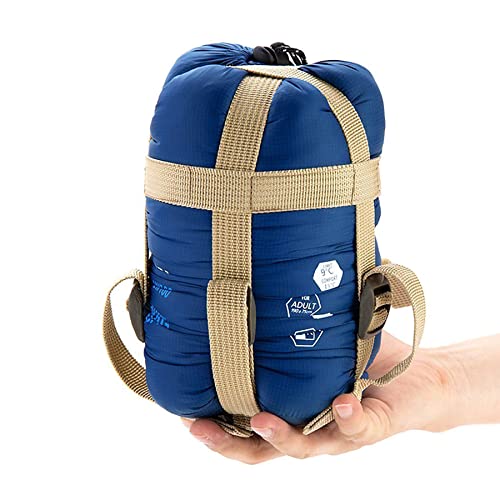
- ✓ Ultra lightweight and compact
- ✓ Waterproof and durable exterior
- ✓ Spacious and versatile design
- ✕ Could use more insulation
- ✕ Limited temperature range
| Outer Material | Nylon (Waterproof and Durable) |
| Lining Material | 100% Polyester (Breathable and skin-friendly) |
| Temperature Range | 55°F to 60°F (13°C to 16°C) |
| Dimensions | 83 inches long x 30 inches wide |
| Weight | 1.7 pounds (approx. 771 grams) |
| Packed Size | 11 inches in height |
Right out of the box, the first thing that caught my eye was how effortlessly compact this ECOOPRO sleeping bag folds down. I was able to stuff it into the included sack with minimal effort, and it shrank to just 11 inches high and weighed only 1.7 pounds.
That’s a game-changer for backpacking trips where every ounce counts.
The waterproof nylon exterior feels sturdy yet lightweight, giving me confidence in unpredictable weather. As I unzipped it, I noticed the smooth zipper glide, which made getting in and out super easy—no snagging or fuss.
The breathable polyester lining kept me comfortable, even as the temperature hovered around 55 to 60°F.
The size is quite generous—83 inches long and 30 inches wide—so it comfortably fits me as a tall adult. It’s versatile enough to accommodate two children or a single adult, making it perfect for different camping setups.
I also loved that I could use it without a liner, which adds to its multipurpose appeal for various weather conditions.
Setting it up in the field was straightforward. The weatherproof design kept me dry during a light drizzle, and the cozy insulation kept me warm without overheating.
It feels durable enough for regular outdoor use, yet easy enough to carry around on day hikes or scout trips. Overall, this sleeping bag offers a solid balance of comfort, portability, and weather protection.
0°C Winter Sleeping Bag for Adults, Waterproof, 4-Season

- ✓ Ultra spacious and comfortable
- ✓ Lightweight and portable
- ✓ Machine washable
- ✕ Not suitable for extreme cold
- ✕ Slightly bulky when packed
| Temperature Rating | 5°F (Extreme), 15°F (Limit), 32°F (Comfort) |
| Filling Material | 450 GSM micro fiber |
| Shell Material | 210T ripstop polyester |
| Lining Material | 190T Pongee |
| Packed Size | 15.6 inches tall x 7.6 inches diameter |
| Weight | 5 lbs |
You open the bag and immediately notice how spacious it is—not just in length but also width, especially if you’re taller or broader. Unlike many sleeping bags that feel restrictive, this one has a generous cut that makes you feel like you’re sleeping in a cozy, personal tent.
The lightweight design is a game-changer. It feels almost weightless in your hands, yet it’s surprisingly warm and durable.
The compact size when packed—just over 15 inches tall and under 8 inches round—means it easily slips into your backpack without adding bulk.
Unfolding it is simple, thanks to the clever foldable design and included compression sack. Strapping it down takes seconds, and it’s easy to carry around on hikes or camping trips.
The shell feels tough but smooth, with a ripstop fabric that reassures you it can handle some rough outdoor conditions.
Once you lie inside, the softness of the 190T Pongee lining hits you immediately—ultra skin-friendly and silky. The micro fiber filling feels plush, offering warmth even at near-freezing temperatures.
I tested it during a chilly night, and it kept me cozy, with the wind buffer preventing any drafts.
And yes, it’s machine washable! Just toss it in on a gentle cycle, and it’s ready for next time.
The zippers are smooth, and the anti-pinch ribbons mean snag-free zipping even in the dark. Overall, it’s a reliable, comfy, versatile sleeping bag that’s perfect for just about any outdoor adventure.
Teton Celsius XXL, 0 Degree Sleeping Bags, All Weather

- ✓ Extremely comfortable and spacious
- ✓ Excellent warmth retention
- ✓ Easy to compress and pack
- ✕ Slightly heavier than ultralight bags
- ✕ Zippers can get snagged
| Temperature Rating | 0°F (All Weather/All Season) |
| Insulation Type | Innovative fiber fill with double-layer construction and draft tubes |
| Lining Material | Poly-flannel |
| Packed Size | Compact, with durable compression sack included |
| Weight | Not explicitly specified, but designed for high packability and lightweight travel |
| Design Features | Half-circle mummy-style hood, unzip on each side, long-term storage loops |
The first time I crawled into the Teton Celsius XXL, I was surprised by how spacious it felt—more like a cozy bed than a typical sleeping bag. The soft poly-flannel lining immediately made me think, “This is comfort I can get used to.”
The half-circle mummy hood is a game-changer, especially since it keeps my head warm without feeling claustrophobic. I loved that it unzips on each side, giving me options to vent if I start to overheat.
The generous room to spread out meant I didn’t feel cramped, even on a chilly night.
What really stands out is how well it keeps the cold out. The double-layer construction and draft tubes did a great job of blocking wind and retaining heat.
Plus, the innovative fiber fill feels plush yet lightweight, making it easier to pack without sacrificing warmth.
Speaking of packing, the included compression sack is sturdy and easy to use. Stuffing it in is straightforward, and tightening the straps reduces its size significantly—perfect for saving space in your backpack.
Using it on a recent camping trip, I noticed fluffing it up and adding a camp pad made a noticeable difference in warmth. I also appreciated the hanging loops for long-term storage, which helps maintain loft over time.
Overall, this bag hits a nice balance between comfort, warmth, and portability, making it a solid choice for all-weather adventures.
What Features Should You Look for in a Compressible Sleeping Bag?
When searching for the best compressible sleeping bag, consider the following features:
- Insulation Type: The insulation can be either synthetic or down. Synthetic insulation is often more affordable and performs better in wet conditions, while down insulation is lighter, more compressible, and provides greater warmth-to-weight ratios.
- Packability: Look for a sleeping bag that can compress into a small size for easy transport. Bags with smaller packed dimensions are ideal for backpacking and traveling, as they take up less space in your pack.
- Temperature Rating: Check the sleeping bag’s temperature rating to ensure it suits your intended use. Ratings indicate the lowest temperature at which the bag will keep you warm and should match the climate conditions you expect to encounter.
- Weight: The overall weight of the sleeping bag is crucial for backpackers and those who prioritize mobility. A lightweight sleeping bag will make it easier to carry over long distances without sacrificing warmth and comfort.
- Shape: Sleeping bags typically come in rectangular or mummy shapes. Mummy bags are designed to hug the body and reduce weight while increasing warmth, while rectangular bags offer more room and comfort but may be bulkier and heavier.
- Durability: The materials used in the bag’s shell and lining should be durable and resistant to wear and tear. Look for ripstop nylon or polyester fabrics that can withstand rugged outdoor conditions and frequent use.
- Features and Accessories: Consider additional features like hoods, draft collars, and zippers that enhance comfort and warmth retention. A bag with a built-in pillow pocket or storage pockets can provide added convenience during your outdoor adventures.
What Are the Different Types of Compressible Sleeping Bags Available?
The different types of compressible sleeping bags available cater to various needs and preferences for outdoor activities.
- Down Sleeping Bags: These bags are filled with down feathers, providing exceptional warmth-to-weight ratio and compressibility.
- Synthetic Sleeping Bags: Made with man-made fibers, these bags offer good insulation even when wet and are often more affordable than down options.
- Hybrid Sleeping Bags: Combining both down and synthetic materials, these bags aim to offer the best of both worlds in terms of warmth, weight, and moisture resistance.
- Ultra-Light Sleeping Bags: Designed for minimalist backpackers, these bags prioritize weight savings and compactness while still providing sufficient warmth.
- 3-Season Sleeping Bags: Ideal for spring, summer, and fall, these versatile bags are designed for moderate temperatures and can be packed down small for easy transport.
- Winter Sleeping Bags: Built to withstand extremely cold temperatures, these bags are heavily insulated and often bulkier, but still compressible for storage.
Down Sleeping Bags: These bags are filled with down feathers, which are known for their excellent insulation properties. They provide an impressive warmth-to-weight ratio, making them very compressible, allowing for easy packing in a backpack. However, they can be less effective when wet unless treated with a water-resistant coating.
Synthetic Sleeping Bags: Constructed from polyester or other synthetic fibers, these sleeping bags maintain insulation even if they get wet, making them a reliable choice for humid environments. They are generally more affordable than down bags and can be bulkier, but they offer decent compressibility and warmth. Additionally, they dry faster than down, which can be an advantage in adverse conditions.
Hybrid Sleeping Bags: These bags utilize both down and synthetic materials, providing a balance of the benefits from each. The down insulation offers lightweight warmth, while the synthetic fibers can protect against moisture and retain heat when damp. This combination makes hybrids a versatile choice for unpredictable weather conditions.
Ultra-Light Sleeping Bags: Aimed at serious backpackers and hikers, these sleeping bags are designed to minimize weight without sacrificing too much warmth. They are typically made from lightweight materials and offer compact storage options, making them ideal for long treks. However, they may have less insulation, so choosing the right temperature rating is crucial.
3-Season Sleeping Bags: These bags are versatile enough to be used in spring, summer, and fall, providing a comfortable sleeping experience in moderate temperatures. They are generally warmer than ultra-light bags but still compressible for easy packing. 3-season bags are suitable for a wide range of camping and backpacking situations.
Winter Sleeping Bags: Specifically designed for extreme cold weather camping, winter sleeping bags are heavily insulated and provide maximum warmth retention. They often have features like draft collars and hoods to prevent heat loss, but as a result, they can be bulkier and heavier. Despite this, many still have compressible designs for storage and transport.
How Do Down-Filled Sleeping Bags Compare to Synthetic Ones?
| Feature | Down-Filled | Synthetic |
|---|---|---|
| Insulation Type | Natural insulation, offers excellent warmth-to-weight ratio. | Synthetic fibers, good for moisture resistance, less warmth-to-weight efficiency. |
| Weight | Generally lighter, ideal for backpacking. | Heavier, which can be a downside for long hikes. |
| Compressibility | Compresses well, takes up less space in a pack. | Does not compress as tightly, bulkier when packed. |
| Cost | More expensive due to higher quality materials. | Typically more affordable, a budget-friendly option. |
| Temperature Rating | Typically offers better insulation in colder temperatures. | Varies widely, but generally less effective in extreme cold. |
| Durability | Can last a long time with proper care, but is susceptible to damage. | Generally more durable and resistant to wear and tear. |
| Maintenance | Requires special cleaning methods and care to maintain loft. | Easier to wash and maintain, dries faster. |
| Water Resistance | Loses insulation properties when wet, but treated options are available. | Retains warmth even when wet, inherently water-resistant. |
What Is the Importance of Temperature Ratings in Compressible Sleeping Bags?
The benefits of selecting a sleeping bag with the appropriate temperature rating extend beyond comfort; they also involve health and safety. A sleeping bag that is too warm can lead to overheating and perspiration, which can cool the body down and increase the risk of hypothermia. Conversely, a bag that is too cold can lead to a restless night, reducing energy levels and performance for hiking and other activities. Additionally, choosing a sleeping bag that matches the expected weather conditions can prevent the need for additional gear, thus optimizing packing efficiency for backpackers.
Best practices for choosing a compressible sleeping bag include conducting thorough research on temperature ratings and understanding the specific conditions of your camping destination. It is advisable to choose a bag rated for temperatures lower than the expected nighttime temperatures to ensure a safety margin. Users should also consider layering with appropriate clothing and sleeping pads to enhance insulation and comfort. Finally, always check user reviews and manufacturer specifications for insights into how the bag performs in real-world conditions.
How Do Weight and Packing Size Affect Your Choice of Compressible Sleeping Bag?
When selecting the best compressible sleeping bag, both weight and packing size play critical roles in your decision-making process. Understanding these factors can facilitate a more tailored choice based on your specific needs, particularly if you’re hiking, camping, or engaging in other outdoor activities.
Weight Considerations:
- Ultralight Options: For backpackers and long-distance hikers, a lightweight sleeping bag can significantly reduce overall pack weight, enhancing mobility and reducing fatigue.
- Insulation Type: Down insulation typically offers better warmth-to-weight ratios compared to synthetic options, although the latter can be cheaper and perform well in wet conditions.
Packing Size:
- Compressibility: A bag’s ability to compress into a smaller size allows for easier transportation. Look for features such as a compression sack or materials that easily pack down.
- Storage Space: Check the dimensions when packed. A smaller packed size can leave more room for other gear in your backpack, which is a major consideration on multi-day trips.
Finding a balance between weight and packing size can enhance your outdoor experience, ensuring that your sleeping bag meets your comfort needs without added bulk.
What Are the Most Recommended Brands for Compressible Sleeping Bags?
The most recommended brands for compressible sleeping bags include:
- REI Co-op: Known for producing high-quality outdoor gear, REI Co-op’s sleeping bags offer excellent compressibility and warmth. Their bags often feature synthetic insulation, making them suitable for a variety of conditions, and they emphasize eco-friendliness in their materials.
- Therm-a-Rest: Therm-a-Rest is renowned for its innovation in sleeping gear, particularly its compressible sleeping bags that prioritize comfort and packability. Their bags typically include advanced insulation technologies, ensuring a lightweight yet warm option for backpackers.
- Sea to Summit: This brand is celebrated for its ultralight and compressible sleeping bags, which are ideal for serious adventurers. Sea to Summit utilizes high-quality down insulation in many of their models, providing exceptional warmth-to-weight ratios and small pack sizes.
- Big Agnes: Big Agnes designs their sleeping bags with the outdoor enthusiast in mind, blending comfort and performance. Their bags often incorporate features such as integrated sleeping pads and unique designs that enhance compressibility without sacrificing warmth.
- Marmot: Marmot is a trusted name in outdoor gear, offering a range of compressible sleeping bags that cater to various climates and activities. Their bags are known for their durable materials and effective insulation, ensuring a good night’s sleep even in cooler temperatures.
What Common Mistakes Should You Avoid When Buying a Compressible Sleeping Bag?
When purchasing a compressible sleeping bag, there are several common mistakes to avoid to ensure you get the best option for your needs.
- Not Considering Temperature Ratings: It’s crucial to check the temperature rating of the sleeping bag to ensure it is suitable for the conditions you will be camping in. A bag that is rated for warmer temperatures may leave you cold during chilly nights, while one rated for extreme cold can be overly warm in milder conditions.
- Ignoring Pack Size and Weight: The compressibility of a sleeping bag is often one of its main selling points, but not all bags compress to the same size. If you plan on backpacking, it’s important to choose a sleeping bag that packs down small and is lightweight, allowing for easy transport without adding excess bulk to your gear.
- Overlooking Material and Insulation Type: The materials used in the sleeping bag, including the outer shell and insulation, play a significant role in its performance. Down insulation offers great warmth-to-weight ratios but can lose its insulating properties when wet, while synthetic insulation performs better in damp conditions but may be heavier or bulkier.
- Failing to Test for Comfort: Comfort is subjective, and what works for one person may not work for another. It’s important to try out the sleeping bag if possible, checking for factors like space, zippers, and the overall fit to ensure you will sleep comfortably throughout the night.
- Not Considering Additional Features: Features like hoods, draft collars, and pockets can enhance the usability of a sleeping bag. Consider what additional features you may need based on your camping style and preferences, as these can greatly improve your overall experience.
- Disregarding Care Instructions: Many buyers overlook the care instructions for washing and storing their sleeping bags. Proper maintenance is essential for preserving the insulation and prolonging the life of the bag, so understanding how to clean and store it correctly should be a priority.