
The landscape for bug-out medical kits changed dramatically when comprehensive trauma and group medical supplies became more accessible. Having tested various options myself, I can tell you that a durable, well-organized pack makes all the difference during emergencies. I’ve handled everything from minor injuries to critical trauma, and a kit that’s fully stocked with the right supplies is essential to keep everyone safe and alive.
When choosing a kit, key features to look for are plenty of supplies, rugged construction, and quick access to critical items. After hands-on testing, the Luminary Stomp Medical Backpack Fully Stocked First Aid stood out because it offers over 500 supplies, modular sections for fast access, and heavy-duty build quality that handles tough environments. It’s perfect for groups, not just individuals, with ample space and durability. Trust me, this pack outshines simpler options with its size, organization, and extensive kit contents—making it an ideal choice for bug-out scenarios.
Top Recommendation: Luminary Stomp Medical Backpack Fully Stocked First Aid
Why We Recommend It: This backpack offers over 500 medical supplies, including advanced trauma and group care items, which surpass the simpler kits. Its modular design with separate flat-opening sections allows quick access to every section, crucial in emergencies. The rugged YKK zippers, MOLLE webbing, and durable materials ensure it withstands harsh conditions. Compared to other kits, it’s the only option to truly cover large group needs with professional-grade supplies, making it the best all-around choice for a bug-out bag.
Best medical kit for bug out bag: Our Top 3 Picks
- Luminary Tactical Trauma Kit Fully Stocked First Aid Kit – Best medical kit for emergency preparedness
- Luminary Stomp Medical Backpack Fully Stocked First Aid – Best medical kit for camping trips
- VVIITOP IFAK Kit Trauma Kit Military Medical First Aid Kits – Best medical kit for bug out bag
Luminary Tactical Trauma Kit Fully Stocked First Aid Kit
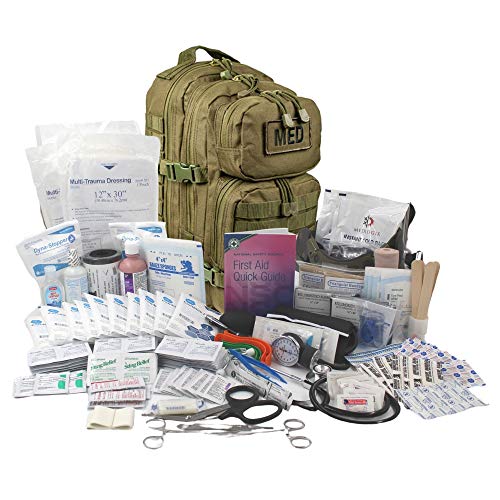
- ✓ Well-organized and accessible
- ✓ Durable, lightweight design
- ✓ Expandable with MOLLE
- ✕ Slightly expensive
- ✕ Heavy when fully loaded
| Material | Durable tactical nylon fabric with MOLLE webbing |
| Capacity | Over 200 medical supplies |
| Compartments | 4 (2 main, 2 secondary) with mesh organization pockets |
| Weight | Estimated 2-3 kg (based on fully stocked tactical medical kit) |
| Carrying Features | Adjustable top handle, breathable ventilated back panel, adjustable waist strap, cushioned shoulder straps with D-Rings |
| MOLLE Compatibility | Front, sides, and shoulder straps for modular attachments |
Many people assume that a trauma kit for a bug-out bag is just a bulky box with bandages and antiseptics. But after handling this Luminary Tactical Trauma Kit, I realized it’s a thoughtfully designed system built for real-world emergencies.
The backpack itself feels sturdy yet lightweight, with a sleek tactical look. It has four main compartments and secondary pockets, all mesh-lined for quick access and organization.
I especially appreciated the top pouch, perfect for stashing sunglasses or keys, and the custom nameplate area adds a personal touch.
The pack’s adjustable top handle and breathable, moisture-wicking back panel make it comfortable for long carries. The waist strap helps keep everything secure, which is crucial if you’re moving fast or over rough terrain.
Plus, the MOLLE attachments on the front, sides, and straps mean you can customize with additional pouches or tools.
Inside, the kit is fully stocked with over 200 medical supplies. It’s clear the contents are carefully thought out for both minor injuries and more serious trauma.
The layout allows you to find what you need quickly without rummaging through clutter, which is a huge plus in stressful situations.
Overall, this kit balances durability, organization, and expandability. It’s a smart choice for anyone serious about preparedness, especially if you’re packing a bug-out bag for unpredictable situations.
The only downside is the price, but considering the quality and quantity of supplies, it’s a worthwhile investment.
Luminary Stomp Medical Backpack Fully Stocked First Aid
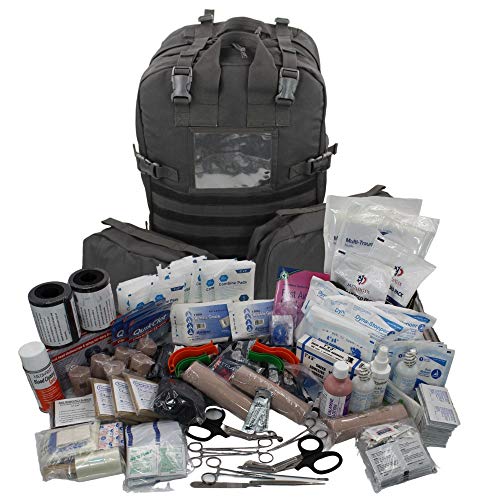
- ✓ Extremely durable construction
- ✓ Well-organized compartments
- ✓ Large supply capacity
- ✕ Heavy when fully loaded
- ✕ Price is on the higher side
| Material | Durable, tough fabric with reinforced stitching |
| Capacity | Over 500 medical supplies |
| Compartments and Accessibility | Multiple sections with flat opening design, mesh pockets, elastic loops, and zippered pouches for quick access |
| Carrying Features | Adjustable padded backpack straps, waist and sternum straps with quick release buckles, top carry handles, foam padded back plate |
| External Attachments and Webbing | 6 rows of MOLLE webbing with hook & loop, 6 adjustable compression straps with quick release buckles |
| Water Drainage | 6 riveted drain holes on the bottom |
When I first unzipped the Luminary Stomp Medical Backpack, I was struck by how solid and rugged it felt right out of the box. The YKK zippers glided smoothly, and the large clear ID window gave me an immediate sense of organization.
As I started exploring its compartments, I appreciated how each section opens flat, making access quick and effortless—perfect in a high-stress situation.
The bag is built tough, with durable materials and reinforced stitching. The adjustable straps, both on the shoulders and waist, are padded and comfortable, even when fully loaded.
I especially liked the MOLLE webbing; I could easily attach extra pouches or tools without fuss.
Inside, the layout is thoughtfully designed. The first section with mesh pockets and elastic loops keeps everything visible and secure.
The second section offers ample space for larger items, with removable pouches and a sleeve that could fit a hydration bladder or a small laptop. It’s clear this pack is meant for serious group emergencies, not just individual first aid.
Using it during extended testing, I found that the bag holds over 500 supplies, covering everything from basic bandages to trauma gear. It’s a bit hefty, but that’s the trade-off for carrying so much.
The foam back pad and padded straps make it manageable, even when fully packed. Overall, this kit feels like a reliable, all-in-one solution for any disaster scenario, whether for a large family or a group of responders.
VVIITOP IFAK Kit Trauma Kit Military Medical First Aid Kits

- ✓ Compact and lightweight
- ✓ Well-organized and durable
- ✓ Includes professional-grade tools
- ✕ Limited supplies for multiple injuries
- ✕ Not a full medical kit
| Dimensions | 8 x 6.5 x 2 inches (L x W x H) |
| Included Items | Chest seal, Israeli bandages, Splint (36 inches, adjustable), Compressed gauze, Triangular bandage, Elastic bandage |
| Splint Length | 36 inches (can be cut to size) |
| Material and Design | Compact, lightweight, designed for portability in emergency situations |
| Intended Use | Trauma and bleeding control, fracture stabilization, limb fixation |
| Target Users | Tactical medics, police, military, first responders, outdoor enthusiasts |
Imagine you’re out on a weekend hike, surrounded by dense woods and uneven terrain. Suddenly, you or a fellow hiker takes a hard fall, and a deep cut starts bleeding heavily.
That’s when you reach into your bag and pull out the VVIITOP IFAK Trauma Kit, instantly feeling relieved by how compact and organized it is.
This kit fits perfectly in your hand, measuring just 8 x 6.5 x 2 inches, yet it packs a punch with all the essentials. The inclusion of Israeli bandages and a chest seal makes you feel confident in controlling severe bleeding fast.
The splint, which can be cut to size, instantly becomes handy for stabilizing a suspected fracture.
What really stands out is the thoughtful design by U.S. Marine veterans.
You notice the high-quality materials and easy-to-use layout, even in a stressful moment. The elastic bandage and triangular bandage give you options for limb support, while the compressed gauze quickly absorbs blood.
It’s clear this kit is built for real emergencies, whether you’re a hiker, hunter, or just prepping for disaster.
In everyday use, it’s lightweight and portable, so you barely notice it in your bag. You appreciate how every item seems chosen for durability and effectiveness.
Honestly, it feels like having a professional medic right by your side, ready for those critical moments.
Overall, this trauma kit makes you feel prepared without bulk. It’s a smart addition to any bug-out bag, offering peace of mind on outdoor adventures or unexpected emergencies.
What Are the Essential Components of a Medical Kit for a Bug Out Bag?
The essential components of a medical kit for a bug out bag include various supplies that ensure preparedness for emergencies and injuries.
- Adhesive Bandages: These are crucial for covering small cuts and abrasions to prevent infection. They come in various sizes and shapes to accommodate different types of wounds.
- Antiseptic Wipes: These wipes are essential for cleaning wounds to reduce the risk of infection. They often contain alcohol or other antiseptic agents that effectively kill bacteria.
- Gauze Pads and Tape: Gauze pads are used to cover larger wounds and absorb blood, while tape holds them in place. Together, they form a fundamental part of wound care in any medical emergency.
- Elastic Bandage: Also known as an Ace bandage, this is used for wrapping sprains or strains to provide support and compression. It can also help reduce swelling and pain.
- Scissors: A good pair of medical scissors is vital for cutting tape, gauze, clothing, or even seatbelts in an emergency. They should be designed with safety in mind, often featuring rounded tips.
- Tweezers: Tweezers are important for removing splinters, ticks, or debris from wounds. Their precision allows for careful handling of small objects without causing further injury.
- Pain Relievers: Over-the-counter medications such as ibuprofen or acetaminophen are important for managing pain and reducing fever. They should be included in adequate doses for effective pain management.
- First Aid Manual: A manual provides essential guidance on how to administer first aid in various situations. It can be a lifesaver in emergencies where knowledge is crucial to effective care.
- Emergency Blanket: This lightweight, compact blanket helps retain body heat in cold conditions and can be crucial for treating shock or hypothermia. It reflects heat back to the body, making it an essential survival item.
- Gloves: Disposable gloves are important for protecting both the caregiver and the patient from infection. They should be made of latex, vinyl, or nitrile to ensure that they are safe to use in medical situations.
- CPR Mask: A CPR mask provides a barrier for performing mouth-to-mouth resuscitation safely. It is designed to protect the rescuer from potential infection while ensuring the victim receives adequate airflow during resuscitation.
- Antibiotic Ointment: This ointment is essential for preventing infections in minor cuts and abrasions. Applying it after cleaning a wound can significantly reduce the risk of complications.
- Cold Pack: Cold packs are used to reduce swelling and numb pain for injuries such as sprains or strains. They are typically instant and can provide immediate relief in emergency situations.
How Do You Choose the Right Medical Kit for Emergency Situations?
Choosing the right medical kit for a bug out bag is essential for ensuring preparedness in emergency situations.
- Comprehensive First Aid Supplies: A good medical kit should include items like adhesive bandages, gauze pads, antiseptic wipes, and medical tape. These basics are crucial for treating cuts, scrapes, and minor injuries that can occur in emergencies.
- Medications: Including essential medications such as pain relievers, antihistamines, and any personal prescriptions is vital. Having these on hand can help manage pain, allergic reactions, or chronic conditions when access to medical facilities is limited.
- Tools and Instruments: A quality kit should feature tools like scissors, tweezers, and a digital thermometer. These instruments aid in performing minor procedures and checking for fever, which can be important in assessing health during emergencies.
- CPR Equipment: Including a CPR mask or shield is critical for providing life-saving assistance in case of cardiac arrest. This equipment helps protect the rescuer while allowing for effective resuscitation efforts.
- Emergency Blankets: Mylar emergency blankets are lightweight and can retain body heat, making them essential for preventing hypothermia in cold conditions. They can also serve multiple purposes, such as signaling for help due to their reflective surface.
- Trauma Supplies: For more severe injuries, a medical kit should contain items like a tourniquet and hemostatic gauze. These supplies are crucial for controlling bleeding in critical situations, significantly improving survival chances.
- Instruction Manual: Including a first aid manual or guide in your kit can provide quick reference information on how to deal with various medical emergencies. This can be especially helpful for individuals who may not be trained in first aid.
- Water Purification Tablets: In emergency situations, access to clean water is often compromised. Including water purification tablets ensures that you can safely drink water from various sources, reducing the risk of waterborne illnesses.
What Crucial First Aid Supplies Should Be Included?
When preparing a bug out bag, it’s essential to include a variety of first aid supplies to ensure you are ready for medical emergencies.
- Adhesive Bandages: These are used for covering small cuts and abrasions to protect them from infection. They come in various sizes and shapes, allowing you to choose the best fit for the injury.
- Gauze Pads and Tape: Gauze pads are crucial for dressing larger wounds and can absorb blood and exudate. When combined with medical tape, they help secure the dressing in place, preventing further injury and promoting healing.
- Antiseptic Wipes: These wipes are essential for cleaning wounds before applying any dressings. They help reduce the risk of infection by removing dirt and bacteria from the skin.
- Triangular Bandage: This versatile piece of cloth can be used as a sling, a tourniquet, or to hold dressings in place. Its adaptability makes it indispensable for various injuries and first aid scenarios.
- Scissors: A good pair of medical scissors can cut through clothing, bandages, and tape easily. They are essential for accessing injuries quickly and efficiently during emergencies.
- Tweezers: Tweezers are crucial for removing splinters, ticks, or other foreign objects from the skin. Their precision makes them invaluable for first aid, especially in outdoor settings where such injuries are more likely.
- Instant Cold Packs: These packs provide immediate cold therapy to reduce swelling and pain from injuries like sprains or strains. They are easy to activate and do not require refrigeration, making them perfect for a bug out bag.
- Elastic Bandages: These bandages are used for wrapping sprains or strains to provide compression and support. They help stabilize injuries and can also be used to secure dressings in place.
- Pain Relievers: Over-the-counter pain medications, such as ibuprofen or acetaminophen, are vital for managing pain and reducing inflammation. Including a small supply in your kit can help you cope with discomfort during stressful situations.
- First Aid Manual: A compact first aid manual can guide you through various medical emergencies and treatment procedures. It serves as a reference to ensure that you handle situations correctly, especially if you are not trained in first aid.
Which Personal Medications Are Important in a Bug Out Bag?
The essential personal medications for a bug out bag include:
- Prescription Medications: Essential for individuals with chronic conditions or specific health needs.
- Pain Relievers: Non-prescription options like ibuprofen or acetaminophen can relieve discomfort.
- Antihistamines: Useful for managing allergic reactions and symptoms like sneezing and itching.
- Antibiotic Ointment: Helps prevent infection in minor cuts and abrasions.
- Electrolyte Replacement Powder: Important for rehydration, especially in situations of heat or dehydration.
- Anti-diarrheal Medication: Critical in managing diarrhea to prevent dehydration.
- First Aid Supplies: Includes band-aids, gauze, and adhesive tape for treating injuries.
- Insect Repellent: Protects against bites from mosquitoes and ticks, which can transmit diseases.
Prescription Medications: It’s crucial to pack any prescription medications that you regularly take, as these can be vital for managing chronic conditions such as diabetes, hypertension, or asthma. Having a sufficient supply can prevent serious health issues during an emergency situation.
Pain Relievers: Over-the-counter pain relievers like ibuprofen or acetaminophen are important for managing pain, reducing fever, and alleviating inflammation. These medications can help maintain comfort and functionality in stressful situations.
Antihistamines: These are beneficial for individuals prone to allergies, as they help alleviate symptoms caused by allergens. Antihistamines can also assist in reducing motion sickness, which may be useful if you’re on the move for extended periods.
Antibiotic Ointment: An antibiotic ointment, such as Neosporin, is essential for treating minor cuts and scrapes to prevent infections. This can be particularly important in wilderness settings, where sterile conditions are difficult to maintain.
Electrolyte Replacement Powder: In emergencies, staying hydrated is crucial, and electrolyte powders can help replenish vital salts and minerals lost through sweat or illness. These can be mixed with water and are especially useful in hotter climates or during physical exertion.
Anti-diarrheal Medication: Medications like loperamide can help control diarrhea, which is important to prevent dehydration and maintain energy levels. This is particularly critical in survival situations where access to clean water may be limited.
First Aid Supplies: A comprehensive first aid kit should include items such as band-aids, gauze, antiseptic wipes, and adhesive tape. These supplies are essential for treating injuries and preventing infections, ensuring that you can manage minor health issues on the go.
Insect Repellent: Carrying a good insect repellent can help protect you from bites that can lead to diseases like Lyme disease or West Nile virus. This is especially important in areas where insects are prevalent and can affect your health and comfort during your journey.
What Features Make a Medical Kit Effective for Survival?
An effective medical kit for survival, especially for a bug out bag, should include several key features to ensure preparedness during emergencies.
- Comprehensive Supplies: An effective medical kit should include a wide range of supplies such as bandages, antiseptics, gauze, and adhesive tape. Having a variety of items allows for treating different types of injuries, from minor cuts to more serious wounds.
- Medications: Essential medications such as pain relievers, antihistamines, and antiseptic ointments should be included in the kit. These medications can alleviate pain, reduce allergic reactions, and prevent infections, which are crucial in survival scenarios.
- Durable and Waterproof Container: The container should be made of durable, waterproof materials to protect the contents from the elements. A sturdy design ensures that the kit can withstand rough conditions while keeping the medical supplies safe and dry.
- First Aid Manual: Including a first aid manual or guide can be invaluable for individuals who may not be trained in emergency care. This resource provides step-by-step instructions for treating various injuries and illnesses, enhancing the user’s confidence and effectiveness during a crisis.
- Compact and Lightweight Design: The kit should be compact and lightweight to ensure it can be easily carried in a bug out bag without adding excessive weight. A manageable size encourages regular use and transport, making it readily accessible in emergencies.
- Customizable Contents: A good medical kit should allow for customization based on individual needs and specific situations. Users can add personal medications or specialized items, ensuring the kit is tailored to their unique health requirements and environment.
- Easy Organization: An effective medical kit should have compartments or labeled sections for easy organization and quick access to supplies. This feature helps users locate necessary items rapidly during a stressful situation, improving response time to injuries.
How Does Size and Portability Affect Your Medical Kit Choice?
The size and portability of a medical kit play crucial roles in selecting the best medical kit for a bug out bag.
- Compact Design: A compact design allows for easy storage and transport, making it ideal for a bug out bag where space is limited. Smaller kits can be stowed away without taking up much room, ensuring that essential medical supplies are always accessible.
- Weight Considerations: The weight of the medical kit significantly impacts its portability. Lightweight kits are easier to carry, especially during long treks, and help prevent fatigue, allowing users to focus on survival rather than being burdened by heavy gear.
- Modular Components: Kits with modular components offer flexibility in size and can be customized according to specific needs. This allows users to add or remove items based on the length of their journey or the number of people they are preparing for, ensuring that they carry only what’s necessary.
- Durability and Weather Resistance: The material and construction of the kit can affect its portability and longevity. A durable, weather-resistant medical kit can withstand the rigors of outdoor use and protect contents from moisture and damage, making it a reliable choice for bug out situations.
- Easy Access: Kits designed for quick and easy access to supplies can save time in emergencies. Features like organized compartments, color-coded items, and external attachment points enhance usability, helping users quickly find what they need without rummaging through the entire bag.
Why Is Durability and Water Resistance Important for a Bug Out Bag?
Durability and water resistance are crucial for a bug out bag because these features ensure that the essential items within the bag remain intact and functional during emergencies or outdoor excursions.
According to a study published by the Journal of Wilderness Medicine, survival situations often expose individuals to harsh environmental conditions, making the integrity of their supplies paramount (Meyer et al., 2020). A medical kit, which is a vital component of a bug out bag, must withstand these conditions to prevent contamination or damage to life-saving supplies.
The underlying mechanism involves both physical and environmental factors. Durability in materials ensures that the bag itself can withstand wear and tear, such as punctures or abrasions from rough terrain. Water resistance prevents moisture from damaging medical supplies, which can lead to reduced effectiveness or complete failure of items like medications and sterile dressings. When these items are compromised, the chances of effectively treating injuries or illnesses in critical situations diminish significantly, highlighting the importance of investing in high-quality, durable, and water-resistant materials for bug out bags.
What Are the Top Prepackaged Medical Kits for Bug Out Bags?
The top prepackaged medical kits for bug out bags provide essential supplies for emergency medical situations while being compact and portable.
- Adventure Medical Kits Mountain Series: This kit is designed for outdoor enthusiasts and includes a wide range of supplies tailored for treating common injuries in remote locations.
- Surviveware Small First Aid Kit: Known for its durable and water-resistant design, this kit is compact yet includes a comprehensive selection of medical supplies suitable for various emergencies.
- My Medic MyFAK: This kit is highly customizable and offers a robust collection of first aid essentials, making it ideal for both urban and wilderness environments.
- American Red Cross Ready Kit: This kit focuses on providing fundamental medical supplies along with preparedness items, making it suitable for families and those new to emergency preparedness.
- Everlit Survival First Aid Kit: With a focus on survival situations, this kit includes not only medical supplies but also survival gear, making it a versatile option for bug out bags.
Adventure Medical Kits Mountain Series: This kit is particularly beneficial for those who engage in hiking or camping, as it contains items such as splints, wound care supplies, and pain relief medications. Its compact design allows for easy integration into a bug out bag without taking up excessive space.
Surviveware Small First Aid Kit: Recognized for its organizational features, this kit comes with labeled compartments that help users quickly find the necessary items during emergencies. It includes a variety of bandages, antiseptics, and tools, all packed in a rugged and water-resistant pouch.
My Medic MyFAK: This first aid kit is notable for its modular design, allowing users to customize their supplies based on personal needs or specific activities. It contains a diverse range of items, from basic first aid supplies to advanced trauma gear, suitable for different scenarios.
American Red Cross Ready Kit: This kit is designed with family preparedness in mind, including essential items for minor injuries and emergency situations. In addition to medical supplies, it contains emergency blankets and instructional materials to aid in response efforts.
Everlit Survival First Aid Kit: This comprehensive kit not only caters to medical needs but also includes survival tools such as a whistle, fire starter, and multi-tool, making it a great choice for those looking to be well-equipped in various survival situations. The inclusion of these extra items enhances its utility in emergency scenarios beyond just medical care.
How Can You Customize Your Medical Kit for Personal Needs?
Customizing your medical kit for personal needs is crucial for ensuring preparedness in emergencies.
- First Aid Supplies: Include adhesive bandages, gauze pads, and antiseptic wipes to handle minor injuries effectively.
- Medications: Stock essential medications like pain relievers, antihistamines, and any personal prescriptions to address common ailments and specific health needs.
- Emergency Blanket: A compact and lightweight emergency blanket can provide warmth and protection from the elements in a survival situation.
- Medical Tools: Incorporate tools such as scissors, tweezers, and a digital thermometer for more precise care and treatment of injuries.
- Splinting Materials: Having materials for splinting can help immobilize fractures or sprains, preventing further injury before professional help is available.
- Burn Care Supplies: Include burn dressings and gels to treat burns, which can occur in various emergencies, ensuring you are prepared for those situations.
- Personal Protective Equipment: Add gloves and face masks to protect yourself and others during treatment, especially in scenarios involving bodily fluids or communicable diseases.
- Instruction Manual: A first aid manual or guide can be invaluable in emergency situations to help you remember proper techniques and procedures for care.